
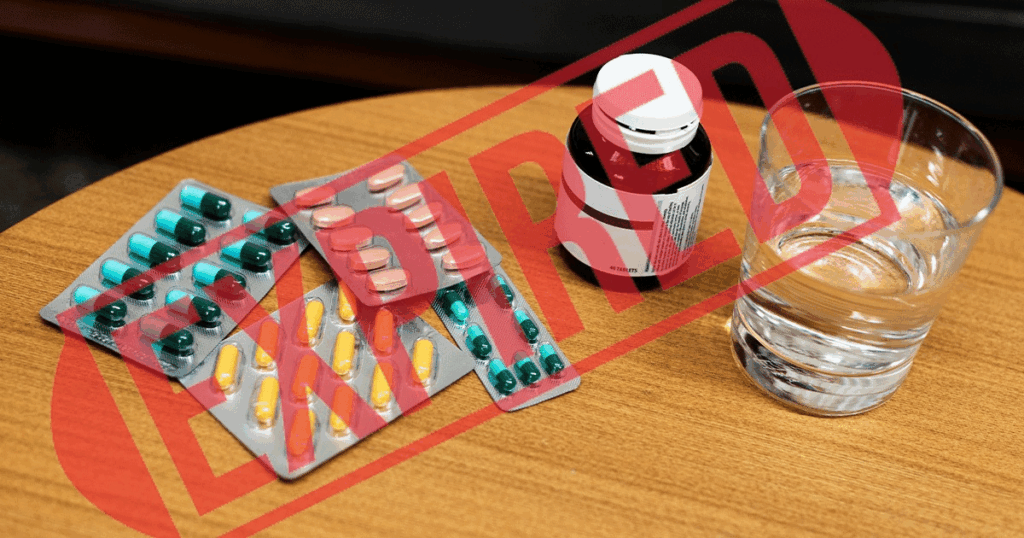
We’ve all been there, you open your medicine cabinet to find a half-empty bottle of cough syrup or pain relievers that’s been sitting around for years. The label shows an expiration date long gone, and the first thought is: Can I still take this? For many people, the idea of tossing out medication feels wasteful, but using expired drugs can pose hidden risks.
Medication expiration dates aren’t just numbers on a bottle; they represent the period during which the manufacturer guarantees safety and effectiveness. Beyond that point, medicines may start to lose their potency, or worse, change in ways that make them harmful. With SwyftScripts, you can easily replace expired prescriptions and access safe, effective medications without the guesswork. In this blog, we’ll cover what expiration dates really mean, the risks of taking expired drugs, which medications are most dangerous after expiration, and how to properly store and dispose of them.
What Does a Medication Expiration Date Mean?
The expiration date printed on a medication package reflects careful testing by the manufacturer. It guarantees that the product will remain safe, effective, and chemically stable up until that date. Once the expiration has passed, the company no longer vouches for its reliability.
It’s important to note that this doesn’t always mean the drug becomes toxic right away. Instead, the active ingredients may weaken over time, or in some cases, degrade into harmful substances. Factors like heat, humidity, and sunlight can accelerate this process. This is why two identical bottles of medicine, one stored in a bathroom cabinet and one kept in a cool, dry place, may have very different shelf lives.
Risks of Taking Expired Medicine
The biggest concern with expired medicine is loss of effectiveness. If a drug is less potent, it may fail to treat the condition it was prescribed for, leaving symptoms unresolved or even worsening. For mild issues like headaches, that might mean temporary discomfort. But for more serious conditions, the consequences can be life-threatening.
Another risk is chemical breakdown. Some medications can change structurally after expiration, producing compounds that are irritating or harmful. And finally, there’s the risk of delayed treatment, relying on an expired drug might make you postpone getting the care you truly need. For these reasons, expired medicines should never be your first choice.
Which Medications Are Most Dangerous After Expiration?
Not all expired medicines carry the same level of risk. Some may simply weaken, while others become outright unsafe or unreliable. Below are some of the most concerning categories:
Antibiotics
Expired antibiotics often lose their strength, making them ineffective against infections. This can contribute to antibiotic resistance if bacteria aren’t fully eliminated. Certain antibiotics, like older forms of tetracyclines, may even become toxic, causing kidney problems.
Nitroglycerin
Nitroglycerin, commonly prescribed for heart-related chest pain, is highly unstable. Once expired, it loses its potency rapidly. Using weak nitroglycerin during a cardiac event can prevent life-saving relief, which makes expired doses especially dangerous.
Insulin
People with diabetes rely on insulin to control blood sugar. Expired insulin may not lower glucose effectively, potentially leading to hyperglycemia and severe complications. Since insulin is highly sensitive to heat and light, it often loses effectiveness even before its printed expiration if stored improperly.
Birth Control Pills
Expired birth control pills pose unique risks. While they aren’t usually toxic, their reduced effectiveness can lead to unintended pregnancies. Hormonal medications are carefully dosed, so any loss in potency makes them unreliable. This is one category where using expired products can have major life consequences.
Liquid Medicines
Syrups, suspensions, and eye drops often expire faster than solid tablets. Liquids are more prone to bacterial growth and contamination, which can make them unsafe even before the expiration date if not stored correctly. Using an expired liquid medicine increases the risk of infection or irritation, especially with products like eye drops.
Liquid Medications vs. Pills: Expiration Differences
When it comes to shelf life, pills and tablets generally last much longer than liquids. Solid forms are less vulnerable to contamination and chemical changes, especially if stored in airtight containers. Many tablets remain stable for years, sometimes even past their expiration dates, although potency may still decline gradually.
Liquid medicines, however, break down much faster. The presence of water or other solvents creates an environment where bacteria and mold can thrive. That’s why syrups, suspensions, and reconstituted powders often expire within months of opening. Eye drops and nasal sprays are particularly risky after expiration since they can directly introduce harmful microbes into sensitive areas.
The bottom line: if it’s a pill, it may hold up longer past expiration, though not guaranteed. If it’s a liquid, it’s much more likely to spoil quickly and should never be trusted after the date has passed.
Can Some Medications Still Work After Expiration?
Interestingly, studies from the FDA’s Shelf Life Extension Program show that some solid medications, like certain pain relievers, can retain potency long after expiration if stored properly. However, this doesn’t mean consumers should rely on them. Without specialized testing, there’s no way to know whether a specific expired medicine is still effective.
Because the consequences vary so much, the safest approach is simple: if a medication is expired, don’t use it. Fresh prescriptions or OTC products are the only way to guarantee safe and effective treatment.
Safe Storage Tips to Maximize Shelf Life
Proper storage can make a big difference in how long medications last. Even before expiration, poor storage may shorten their effective life. Follow these tips to help preserve your medicine:
- Keep medications in a cool, dry place away from humidity and direct sunlight.
- Avoid storing medicine in bathrooms or kitchens, where temperature and moisture fluctuate.
- Always store medications in their original packaging to protect them from air and light exposure.
- Keep lids tightly closed and containers out of reach of children or pets.
- Watch for signs of degradation such as discoloration, unusual smells, or changes in texture.
How to Dispose of Expired Medicines Safely
Expired medications should be discarded safely, not left sitting in your cabinet. Simply tossing them in the trash or flushing them down the toilet can harm the environment or put others at risk.
Safer disposal options include pharmacy take-back programs or local community collection events. For especially dangerous drugs like opioids, the FDA provides a flush list when no other disposal option is available. Proper disposal ensures expired medicines don’t get misused or cause accidental harm.
Fast, Reliable Refills with SwyftScripts
Instead of worrying about whether that old bottle in your cabinet is still safe, you deserve the peace of mind that comes with knowing your medications are always fresh. With SwyftScripts’ same-day medication and prescription delivery services, you can avoid the risks of expired drugs and focus on feeling better.
Same-day delivery means you’ll always have effective medications when you need them, without the stress of relying on weakened or unsafe options. It’s care and convenience designed to support your health every step of the way. With SwyftScripts, safe and effective medication is never out of reach.