
Hemophilia is a rare genetic disorder that affects the blood’s ability to clot, leading to prolonged bleeding even from minor injuries. If you or a loved one is wondering what are some treatments for hemophilia, there are several effective options available to manage the condition.
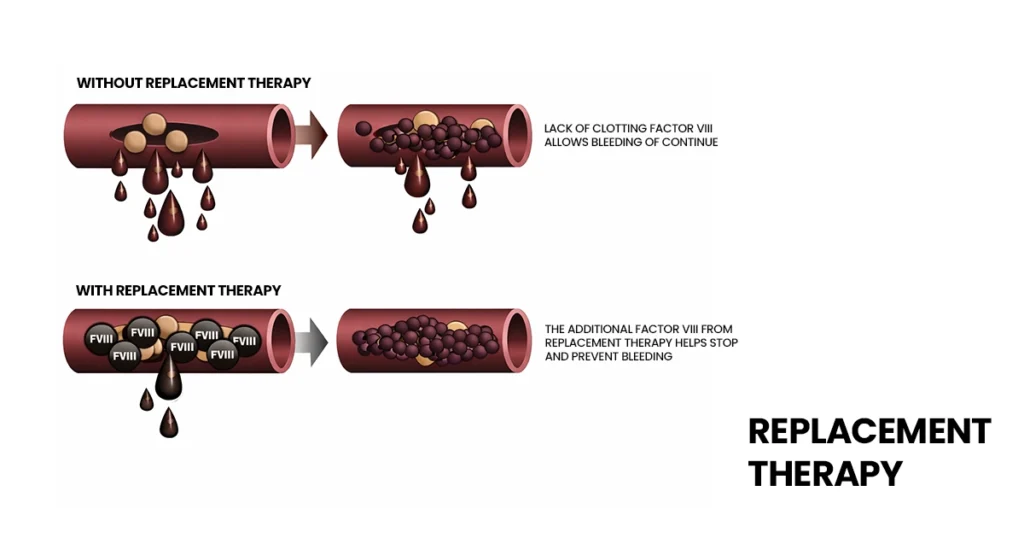
Hemophilia treatment often involves replacing the missing clotting factors through antihemophilic factor treatment options, which help prevent and control bleeding episodes. Additionally, various hemophilia medications are designed to support clotting and reduce the risk of complications, allowing individuals with hemophilia to lead healthier, more active lives.
In this article, we will explore all the available treatment options for hemophilia, including traditional factor replacement therapies, newer medications, and emerging approaches. To make managing these treatments easier, SwyftScripts handles prescriptions end-to-end taking care of insurance approvals, paperwork, cost assistance, and free home delivery so patients can get their medications quickly and safely.
What Is Hemophilia?
Hemophilia is a rare genetic disorder that impairs the blood’s ability to clot properly. Normally, when you get a cut or injury, proteins in your blood called clotting factors work together to stop bleeding. In people with hemophilia, one of these essential clotting factors is either missing or present at very low levels, which can lead to prolonged bleeding, easy bruising, and internal bleeding in joints and muscles.
Why Is Treatment Essential?
Treatment for hemophilia is crucial because, without it, even minor injuries can lead to prolonged bleeding that may become life-threatening. The missing clotting factors in hemophilia prevent blood from forming stable clots, which means cuts, bruises, or internal injuries, especially in joints and muscles, can cause serious complications.
If hemophilia is left untreated, repeated bleeding episodes can lead to joint damage, chronic pain, muscle deterioration, and in severe cases, internal bleeding that can affect vital organs.
Early and consistent hemophilia treatment not only stops bleeding quickly but also helps prevent long-term complications, improves quality of life, and allows individuals to participate safely in daily activities.
Treatment Types in Hemophilia
Managing hemophilia isn’t just about replacing missing clotting factors—it’s also about when and how often treatment is given. There are two main approaches: episodic care and prophylactic care. Each has its benefits, and doctors choose the best plan based on the type of hemophilia, severity, lifestyle, and overall health.
1. Episodic Care (On-Demand Treatment)
Episodic care is a reactive treatment approach used to stop bleeding after it occurs. This type of treatment is usually recommended for people with mild hemophilia or those who experience infrequent bleeds.
While it effectively controls bleeding, it does not prevent future episodes, and repeated bleeds may still cause joint or muscle damage over time. Episodic care is simple and requires fewer infusions, making it convenient for those who do not need regular preventive therapy.
How it works:
- IV infusion of missing clotting factor (Factor VIII or IX) after a bleed.
- Additional medications like Amicar® may stabilize clots for minor bleeds or dental procedures.
- Treatment is usually administered at home or in a medical facility, depending on severity.
2. Prophylactic Care (Preventive Treatment)
Prophylactic care is a preventive approach that involves regular, scheduled treatment to maintain clotting factor levels and stop bleeding before it happens. This approach is most commonly used for moderate to severe hemophilia and has been shown to prevent joint and muscle damage, reduce hospital visits, and improve overall quality of life. While it requires routine infusions or injections, it allows patients to stay active and participate safely in daily activities.
This benefit is strongly supported by evidence. A systematic review of 31 studies involving 2,379 patients found that prophylactic treatment significantly reduced annual bleeding rates compared with on-demand care.
How it works:
- Scheduled IV infusions of Factor VIII or IX, usually multiple times per week.
- Long-acting factor products or medications like Hemlibra® may reduce infusion frequency.
- Maintains consistent clotting factor levels to prevent spontaneous or injury-related bleeds.
How Is Hemophilia Treated?
Hemophilia treatment focuses on replacing the missing clotting factor, preventing bleeding episodes, and managing complications. The approach varies slightly depending on the type and severity of hemophilia, but modern therapies have made it possible for patients to lead active, healthy lives. According to the CDC, the following treatment options are available:
1. Hemophilia A (Factor VIII Deficiency)
For hemophilia A, doctors give the missing Factor VIII through intravenous (IV) infusions. These can be used right after a bleed (episodic care) or given regularly to prevent bleeds before they start (prophylaxis). Many people learn to do these infusions at home, which makes managing bleeds easier and faster.
Clotting Factor Options:
- Plasma-Derived Factor VIII: Made from human blood plasma and undergoes rigorous safety testing. Available in freeze-dried form.
- Recombinant Factor VIII: Produced using DNA technology, with no risk of virus transmission.
Other Treatment Options:
- Hemlibra® (Emicizumab): A subcutaneous injection that mimics Factor VIII activity, used for patients with inhibitors or those who cannot tolerate regular factor infusions.
- DDAVP® / Stimate®: For mild to moderate cases, stimulates the body to release its own Factor VIII (given IV or nasal spray).
- Amicar®: Helps prevent clots from breaking down, useful for mouth bleeding or dental procedures.
Advanced Treatment:
- Gene Therapy – Roctavian®: A one-time IV therapy approved for adults that teaches the liver to produce Factor VIII naturally. Patients are screened for virus antibodies before treatment.
2. Hemophilia B (Factor IX Deficiency)
In hemophilia B, the missing Factor IX is given through IV infusions. Like in A, this can be done after a bleed or regularly to prevent bleeds, and many patients self‑infuse at home.
Clotting Factor Options:
- Plasma-Derived Factor IX: Carefully screened from human plasma and freeze-dried for storage.
- Recombinant Factor IX: Produced with no risk of virus transmission.
Other Treatment Options:
- Amicar®: Can be used to prevent clot breakdown in specific situations.
Advanced Treatment:
- Gene Therapy – Hemgenix®: A one-time IV therapy for adults with Hemophilia B that teaches the liver to produce Factor IX, offering long-term protection against bleeding episodes.
3. Hemophilia C (Factor XI Deficiency)
Mild hemophilia cases often require less intensive treatment, but care is still essential to prevent complications.
Treatment Options:
- DDAVP® / Stimate®: Stimulates the release of the body’s own Factor VIII for mild Hemophilia A.
- Amicar®: Helps control minor bleeding episodes.
Even in mild cases, specialized care can prevent long‑term joint and muscle damage by catching issues early and coordinating treatment with a team experienced in bleeding disorders.
Key Summary: With modern therapies including factor replacement, medications like Hemlibra®, and gene therapy, hemophilia treatment is safer and more effective than ever. Whether managing Hemophilia A, B, or mild cases, early and consistent treatment combined with specialized care from HTCs allows patients to prevent bleeding episodes, avoid complications, and enjoy a better quality of life.
How to Manage Hemophilia at Home
Managing hemophilia at home is an important part of preventing bleeding episodes and maintaining a healthy, active lifestyle. While medical treatments like factor replacement or medications are essential, daily habits, safety measures, and self-care can make a big difference in reducing complications.
Learn Self-Infusion:
- Administer clotting factor infusions at home for quick treatment.
- Provides independence and better control over prophylactic schedules.
Follow a Preventive Plan:
- Stick to the prescribed prophylactic treatment schedule.
- Keep a log of infusions, bleeding events, and activities.
Maintain Safe Daily Habits:
- Avoid high-risk contact sports or use protective gear.
- Use a soft toothbrush and gentle dental care to prevent gum bleeding.
- Remove sharp edges and tripping hazards at home.
- Apply ice immediately to minor bumps or bruises.
Exercise and Physical Therapy:
- Engage in low-impact exercises like swimming, walking, or cycling.
- Strengthen muscles and protect joints to reduce joint bleeds.
- Work with a physical therapist to design a safe routine.
Monitor and Treat Early Signs of Bleeding:
- Watch for swelling, pain, or bruising.
- Apply R.I.C.E. (Rest, Ice, Compression, Elevation) for minor joint/muscle bleeds.
- Use prescribed antihemophilic factor treatment options promptly.
- Seek medical attention if bleeding does not stop quickly.
Keep Emergency Supplies Ready:
- Have factor concentrates or hemophilia B treatment drugs on hand.
- Include ice packs, bandages, and emergency contact information.
Stay Educated and Connected:
- Learn about hemophilia from trusted sources like the CDC.
- Maintain regular contact with your Hemophilia Treatment Center (HTC).
- Join support groups to share tips and experiences with other patients and caregivers.
Make Hemophilia Management Easier with SwyftScripts
Managing hemophilia effectively requires timely access to the right medications, proper treatment schedules, and ongoing support to prevent bleeding episodes and long-term complications. From learning how hemophilia can be treated to staying on top of regular hemophilia treatment, having a reliable system in place can make all the difference in maintaining a healthy, active life.
That’s where SwyftScripts comes in. We handle prescriptions end-to-end taking care of insurance approvals, complex paperwork, and cost assistance so patients receive their medications hassle-free. With free home delivery, SwyftScripts ensures that managing hemophilia at home is simple and stress-free, while employers benefit from reduced healthcare costs.