
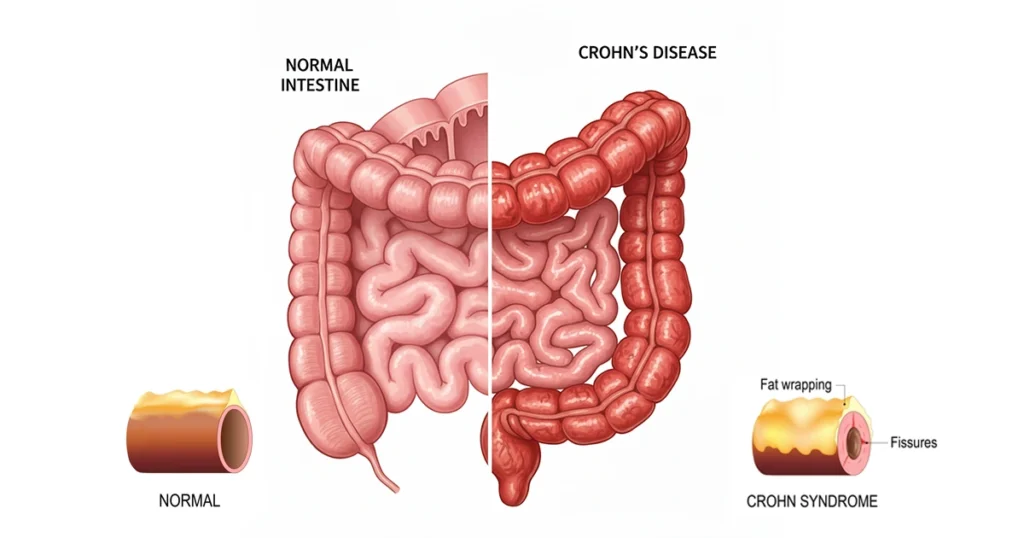
Crohn’s disease is a chronic inflammatory condition that can affect any part of the digestive tract, but it often targets the terminal ileum, causing symptoms like abdominal pain, diarrhea, fatigue, and nutrient deficiencies. Researchers estimate that about 1 million people in the U.S. have Crohn’s disease, highlighting its prevalence and the importance of effective management. While there is no cure, Crohn’s disease can be managed with a combination of anti-inflammatory medications, immune system suppressors, biologics, nutrition therapy, and surgery when needed. These treatments help reduce flare-ups, control symptoms, and improve quality of life.
Managing Crohn’s disease requires a collaborative approach with your healthcare provider. The right Crohn’s disease treatments aim to reduce inflammation, control flare-ups, and prevent long-term complications. From medications and infusion therapies to diet adjustments and surgery, a variety of strategies exist to keep the disease under control. For patients needing specialty medications, Swyftscripts simplifies access with cost-effective delivery and support, helping you stay on track with treatment.
Treatment for Crohn’s Disease
Treating Crohn’s disease is highly personalized, as no single approach works for everyone. The main goals of therapy are to reduce inflammation, control symptoms, and prevent complications such as strictures or fistulas. Treatment plans are often adjusted over time based on disease severity, location, and response to medications.
Doctors may combine lifestyle changes, medications, and sometimes surgical interventions to provide the best outcome for each patient.
Crohn’s Disease Anti-Inflammatory Medication
Anti-inflammatory medications are often the first step in managing Crohn’s disease, helping to calm active inflammation and reduce symptoms. These treatments can provide quick relief during flare-ups and support long-term disease control.
Corticosteroids
Corticosteroids are powerful medications used to reduce inflammation quickly during a flare. They are often prescribed for short-term use because long-term use can lead to side effects like weight gain, mood changes, and bone loss. Common corticosteroids include prednisone and budesonide, which can be taken orally or in some cases delivered through an infusion.
Oral 5-Aminosalicylates (5-ASA)
Oral 5-ASA medications are often used for mild to moderate Crohn’s disease. Drugs like mesalamine and sulfasalazine work locally in the gut to control inflammation. While they can be effective in reducing symptoms, their impact may be limited in severe cases, making them more suitable as part of a broader treatment plan.
Immune System Suppressors
Immune system suppressors, often classified as specialty medications, help control Crohn’s disease by reducing the overactive immune response that drives inflammation. Common medications include azathioprine, mercaptopurine, and methotrexate. These medications require regular monitoring due to potential risks such as liver toxicity, low blood counts, and increased susceptibility to infections. Careful follow-up with a gastroenterologist ensures safety and effectiveness.
Biologics for Crohn’s Disease
Biologic therapies target specific pathways in the immune system to reduce inflammation and manage disease activity. They are usually recommended for moderate to severe Crohn’s or when other treatments fail. Research shows that in adults with Crohn’s disease, 62.3% of those who started biologic therapy early achieved remission at 26 weeks, compared to 34.2% of those on conventional or delayed treatment, making early biologic therapy nearly twice as effective.
- Tumor Necrosis Factor (TNF) Inhibitors: Medications like infliximab (Remicade), adalimumab (Humira), and certolizumab pegol (Cimzia) block TNF, a protein that contributes to inflammation, helping reduce flare-ups and heal intestinal tissue.
- Interleukin Inhibitors: Drugs such as ustekinumab (Stelara) and risankizumab (Skyrizi) target specific interleukins to calm the immune system’s overactivity.
- Integrin Receptor Antagonists: Vedolizumab (Entyvio) works by targeting gut-specific inflammation, offering a focused approach that reduces systemic immune suppression.
- Janus Kinase (JAK) Inhibitors: These oral medications help modulate immune activity in patients with active disease who may not respond to other therapies.
Other Medications
- Antibiotics: Used to prevent or treat infections and sometimes reduce intestinal inflammation.
- Antidiarrhea medications: Over-the-counter or prescription options help manage diarrhea associated with Crohn’s.
Some patients may receive Crohn’s disease infusion treatment, particularly for biologics, to deliver medications directly into the bloodstream for faster relief and improved absorption.
Nutrition Therapy
Diet plays a vital role in supporting overall gut health and managing Crohn’s symptoms. Specialized diets, such as low-residue, specific carbohydrate, or elemental diets, may reduce irritation and improve nutrient absorption. Nutritional supplements can prevent deficiencies, especially when parts of the small intestine, like the terminal ileum, are affected. Working with a dietitian familiar with Crohn’s disease ensures a balanced, symptom-friendly plan.
Surgery
Surgery is considered when Crohn’s disease complications cannot be controlled with medications or other therapies. It aims to relieve symptoms, repair damage, and improve overall digestive function.
When Surgery Becomes Necessary
Surgery may be recommended in cases such as:
- Strictures: Narrowing of the intestines that blocks food passage
- Fistulas: Abnormal connections between the intestine and other organs
- Severe inflammation: Persistent inflammation that does not respond to medications
- Abscesses or perforations: Infections or tears in the intestinal wall
Common surgical procedures include bowel resection to remove damaged sections and strictureplasty to widen narrowed areas. Postoperative care focuses on healing, preventing recurrence, and adjusting diet and lifestyle to support long-term gut health.
Natural Remedies for Crohn’s Disease
While natural approaches cannot replace conventional therapy, they can complement treatment. Stress management techniques, regular exercise, and gut-friendly routines support overall wellness. Certain herbal supplements and probiotics may help reduce inflammation, but they should always be used under medical guidance to avoid interactions with prescribed medications.
Find the Right Therapy for Crohn’s Disease
Choosing the most effective treatment plan requires working closely with a healthcare provider. With the right combination of medications, nutrition, lifestyle adjustments, and, when necessary, surgery, Crohn’s disease flare treatment can be effectively managed. Regular monitoring using tools like calprotectin stool tests or CT enterography helps track disease activity and adjust therapy as needed. With consistent care, many patients achieve long periods of remission and a better quality of life.
For patients requiring specialty medications, Swyftscripts makes specialty care faster, simpler, and more affordable for patients, prescribers, and employers. By streamlining access and delivery, it ensures you can stay on track with your treatment plan without added stress or delays. This support allows patients to focus on managing symptoms and maintaining a better quality of life.