
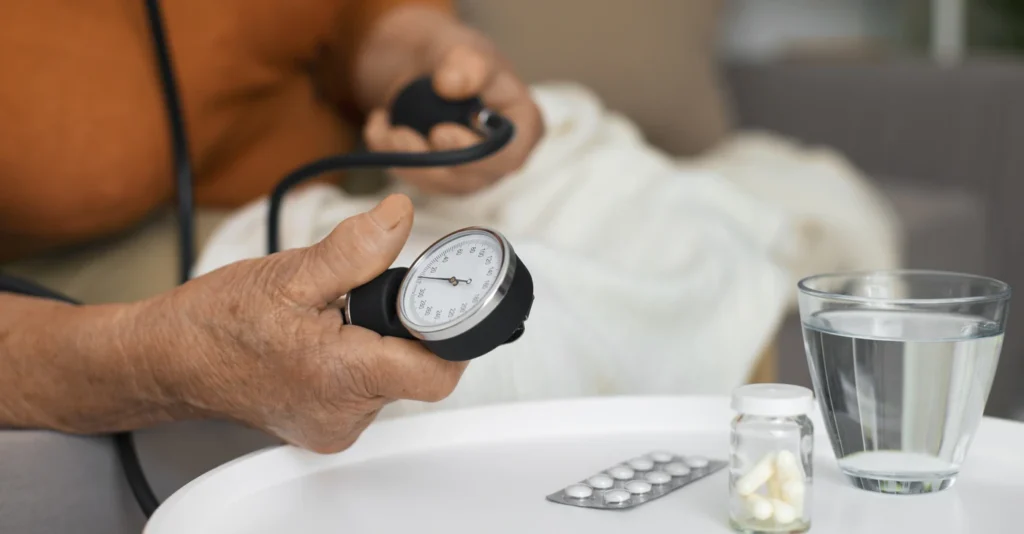
Pulmonary arterial hypertension medications are used to improve blood flow, reduce pressure in the pulmonary arteries, and help manage symptoms such as shortness of breath and fatigue. Treatment plans may include endothelin receptor antagonists, phosphodiesterase inhibitors, prostacyclin therapies, and combination medications based on disease severity.
Because many PAH treatments require specialized handling and monitoring, patients often rely on a specialty pharmacy Houston provider for medication access and ongoing support. Early treatment and consistent care can help improve quality of life and slow disease progression. SwyftScripts also delivers PAH medications and ongoing support to patients in Northline, North Houston, Oak Forest, North Houston, and Ohio.
What is Pulmonary Arterial Hypertension
Pulmonary arterial hypertension (PAH) is a progressive condition in which the small arteries in the lungs become narrowed, stiff, or blocked. This raises pressure in the pulmonary arteries and forces the right side of the heart to work harder to pump blood through the lungs. Over time, untreated PAH can lead to right-sided heart failure and reduced quality of life.
Early diagnosis, careful medication management, and reliable pharmacy delivery Houston services can help patients maintain consistent access to treatment and improve symptom control.
Pulmonary Arterial Hypertension Causes
PAH has several known causes and risk factors. In some cases, it is idiopathic (no identifiable cause), while other common contributors include:
- Connective tissue diseases such as scleroderma: Autoimmune conditions can damage blood vessels in the lungs and increase the risk of developing pulmonary arterial hypertension.
- Congenital heart defects: Certain heart abnormalities present at birth may alter blood flow and place extra pressure on the pulmonary arteries over time.
- HIV infection or exposure to certain drugs and toxins: Some infections, medications, and toxic substances may contribute to blood vessel damage linked to PAH.
- Genetic mutations affecting blood vessel function: Inherited gene mutations can affect how blood vessels grow and function, increasing the likelihood of PAH development.
- Portal hypertension related to liver disease: Increased blood pressure in the liver’s portal vein system may also affect circulation in the lungs and contribute to pulmonary hypertension.
Because PAH can be linked to other medical conditions, clinicians often run blood tests, imaging, and right-heart catheterization to confirm diagnosis and identify underlying causes.
Pulmonary Arterial Hypertension Symptoms
Symptoms of PAH often develop gradually and may be mistaken for other conditions. Common signs include:
- Shortness of breath during activity: Breathing becomes difficult as pressure in the lungs increases.
- Fatigue and weakness: Reduced oxygen flow can cause low energy levels.
- Chest pain or pressure: Increased heart strain may lead to chest discomfort.
- Palpitations or fainting: Irregular heartbeat or dizziness may occur.
- Swelling in the ankles, legs, or abdomen: Fluid buildup can cause noticeable swelling.
If you notice persistent breathlessness or unexplained swelling, early evaluation by a cardiologist or pulmonologist is important. Timely treatment can preserve function and reduce complications.
How to Diagnose Pulmonary Arterial Hypertension
Diagnosis is confirmed through echocardiograms, right heart catheterization, blood tests, and lung function testing to measure pressure and identify underlying causes.
- Heart Imaging Tests: Echocardiograms help assess heart function and pressure levels.
- Right Heart Catheterization: The most accurate test for confirming PAH.
- Lung and Blood Tests: Used to evaluate oxygen levels and rule out other conditions.
Early diagnosis of pulmonary arterial hypertension is important for starting treatment quickly and slowing disease progression. Comprehensive testing helps doctors confirm PAH, measure pressure levels, and identify possible underlying causes.
Pulmonary Arterial Hypertension Medication & Treatment
Treatment for pulmonary arterial hypertension is usually personalized and often involves a combination of different drug classes for better control.
Endothelin Receptor Antagonists
Endothelin receptor antagonists help relax and widen the blood vessels in the lungs, reducing high pressure and improving blood flow. These medications block endothelin, a substance that causes vessel tightening. They are commonly used as a long-term treatment option for PAH patients.
Phosphodiesterase-5 (PDE5) Inhibitors
PDE5 inhibitors improve circulation in the lungs by relaxing blood vessels and enhancing oxygen flow. Sildenafil pulmonary arterial hypertension therapy is one of the most widely prescribed options in this class. These drugs help reduce symptoms like shortness of breath and fatigue.
Prostacyclin Analogs
Prostacyclin analogs work by widening blood vessels and preventing clot formation in the lungs. They are often used in more advanced cases of pulmonary arterial hypertension. These medications can be administered through inhalation, oral, or infusion methods.
Soluble Guanylate Cyclase (sGC) Stimulators
sGC stimulators help relax pulmonary arteries and improve blood flow by increasing the body’s natural vasodilation process. They are often prescribed when other treatments are not enough. These medications help reduce pressure on the heart and improve exercise capacity.
Calcium Channel Blockers (Selected Patients Only)
Calcium channel blockers are used only in patients who respond positively to vasodilator testing. They help relax blood vessels and lower pulmonary pressure in specific cases. These are not suitable for all PAH patients and require careful medical supervision.
Management of Pulmonary Arterial Hypertension
Below are some management tips for pulmonary arterial hypertension to help slow disease progression and improve overall quality of life.
- Oxygen Therapy Support: Helps maintain adequate oxygen levels in the blood, especially in advanced stages where breathing becomes difficult.
- Regular Medical Monitoring: Involves routine checkups and tests to track disease progression and evaluate how well treatments are working.
- Lifestyle Adjustments: Includes following a low-salt diet, avoiding heavy physical strain, and maintaining controlled daily activity to reduce heart stress.
Monitoring and Side Effects
PAH medications require regular monitoring to ensure safety, effectiveness, and proper dose adjustment during treatment.
- Regular monitoring is required: PAH medications need ongoing evaluation to ensure they are working effectively and safely.
- Liver function tests: Blood tests are used to check liver health during treatment.
- Blood counts: Routine testing helps detect any changes in blood or immune cell levels.
- Blood pressure checks: Monitoring ensures medications are not causing dangerously low or high blood pressure.
- Pregnancy testing: Required for certain medications that may cause birth defects if taken during pregnancy.
- Common side effects: Headache, flushing, jaw pain, stomach upset, and low blood pressure may occur with some therapies.
- Care coordination: Specialty clinics help manage testing schedules, adjust treatments, and monitor patient response over time.
Why Specialty Pharmacy Matters
Specialty pharmacies such as SwyftScripts play a key role in ensuring patients with pulmonary arterial hypertension receive timely access to complex and high-cost medications while staying on track with treatment.
- Medication access: They help patients obtain specialized PAH therapies that may not be available at standard pharmacies.
- Insurance support: Specialty pharmacies manage prior authorizations and reduce delays in starting treatment.
- Patient education: Pharmacists guide proper use, storage, and understanding of medications.
- Refill coordination: They ensure patients do not miss doses by managing timely medication refills.
- Ongoing support: Regular follow-ups help monitor adherence and improve long-term treatment outcomes.
Finding the Right Pharmacy Partner
Choosing the right pharmacy partner is essential for managing pulmonary arterial hypertension effectively and ensuring uninterrupted access to complex, long-term medications. A reliable pharmacy can help with prescription coordination, insurance approvals, and ongoing treatment support. SwyftScripts provides patients with streamlined access to specialty PAH medications along with expert pharmacy guidance and coordinated care services. With consistent support and timely delivery, patients can focus more on managing symptoms and improving quality of life.