
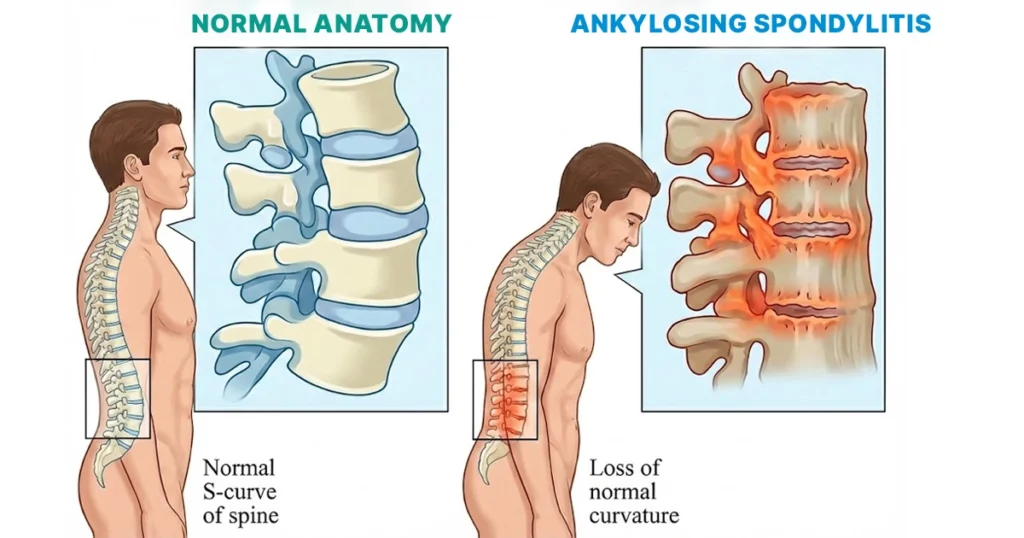
Ankylosing spondylitis (AS) is a type of arthritis that mainly affects the joints in your spine and pelvis. This chronic autoimmune condition causes pain, stiffness, and inflammation, and can sometimes affect other parts of the body. Managing AS effectively often involves regular medications, which can be stressful to coordinate.
That’s where SwyftScripts comes in. We handle prescriptions end-to-end, including insurance approvals, complex paperwork, and cost assistance, delivering your medications directly to your home so you can focus on your health without worry.
What is Ankylosing Spondylitis Disease?
Ankylosing spondylitis is a form of arthritis that affects the spine and sacroiliac joints—the connection between your spine and pelvis. These joints play a key role in daily movement, so inflammation in these areas can significantly affect mobility.
While AS mainly impacts the spine, it can also affect other joints such as the shoulders, hips, and knees. In addition to joint pain and stiffness, some people experience digestive symptoms, rashes, and unexplained weight loss.
Healthcare providers sometimes refer to AS as axial spondyloarthritis.
Symptoms of Ankylosing Spondylitis
Symptoms can vary, but the most common sign is lower back pain caused by inflammation in the sacroiliac joints (sacroiliitis).
Other symptoms may include:
- Pain in hips, buttocks, neck, or abdomen
- Stiffness, especially in the morning or after prolonged rest
- Fatigue (persistent tiredness)
- Shortness of breath
- Loss of appetite or unexplained weight loss
- Diarrhea
- Skin rashes
- Vision problems, such as uveitis
Since symptoms differ from person to person, it’s important to see a healthcare provider if you notice persistent or worsening pain.
What Causes Ankylosing Spondylitis?
AS is an autoimmune disease, meaning the immune system mistakenly attacks the body. The exact cause is unknown, but genetics plays a major role.
- Over 60 genetic mutations are linked to AS.
- The HLA-B27 gene is the most common genetic marker; more than 90% of white people with AS carry this gene.
Who is at Risk?
Ankylosing spondylitis can affect anyone, but certain factors increase the likelihood of developing the condition. Age, gender, family history, and existing health conditions all play a role in determining risk:
- People under 40, especially around age 30
- Men
- Individuals with a close family member who has AS
- People with certain conditions, such as Crohn’s disease, ulcerative colitis, or psoriasis
Complications of Ankylosing Spondylitis
AS can lead to several complications if untreated, including:
- Fused vertebrae (spinal bones joining together)
- Kyphosis (forward curvature of the spine)
- Osteoporosis
- Eye issues like uveitis or light sensitivity
- Heart problems, including aortitis, arrhythmia, and cardiomyopathy
- Nerve damage
People with AS also have a higher risk of spinal fractures due to weakened bones.
Diagnosing Ankylosing Spondylitis
Diagnosing ankylosing spondylitis can be challenging because there’s no single test that confirms it. Healthcare providers typically use a combination of exams, imaging, and lab tests to get a complete picture of your condition. A rheumatologist, who specializes in arthritis and autoimmune diseases, is often involved to guide diagnosis and treatment planning:
- Physical exam to assess pain, stiffness, and mobility
- X-rays of the sacroiliac joints and spine
- MRI scans for detailed imaging
- Blood tests to check for the HLA-B27 gene
Treatment and Management
While there is no cure for AS, treatment focuses on managing symptoms and preventing progression. Common approaches include:
1. Exercise and Physical Therapy
- Regular movement reduces stiffness and maintains spinal flexibility
- Targeted exercises strengthen supporting muscles
2. Medications
- NSAIDs (like ibuprofen or naproxen) relieve pain and inflammation
- Biologic DMARDs reduce inflammation and slow disease progression
- Corticosteroids can be injected directly into affected joints for relief
3. Surgery
- Rarely required, and usually only if severe symptoms persist despite other treatments
4. Lifestyle Adjustments
- Healthy diet and exercise
- Limiting alcohol and quitting smoking
- Managing stress to reduce inflammation
With proper care, symptoms often improve, though ongoing management is necessary.
Read Related: How Is Ankylosing Spondylitis Treated?
Living With Ankylosing Spondylitis
Managing ankylosing spondylitis day-to-day is key to reducing pain, maintaining mobility, and improving quality of life. Simple lifestyle habits combined with proper medical care can make a big difference:
- Follow prescribed treatments and medications to control inflammation and prevent disease progression.
- Maintain regular physical activity through exercises and stretches that support spinal health.
- Avoid habits that worsen inflammation, such as smoking or excessive alcohol consumption.
- Monitor your symptoms and communicate any changes with your healthcare provider to adjust your treatment plan as needed.
Disclaimer: This article is for informational purposes only and is not a substitute for professional medical advice, diagnosis, or treatment. Always consult a qualified healthcare provider with any questions you may have about ankylosing spondylitis or any other medical condition.
Take Control of Your Ankylosing Spondylitis Treatment Today
Managing ankylosing spondylitis doesn’t have to be stressful. From medications to lifestyle adjustments, having the right support makes all the difference. SwyftScripts handles your prescriptions end-to-end, including insurance approvals, complex paperwork, and cost assistance, so you can receive your medications without worry. With free home delivery, you can focus on your health and daily activities while ensuring your treatments reach you safely and on time.
Take the first step toward easier, stress-free medication management with SwyftScripts today.