
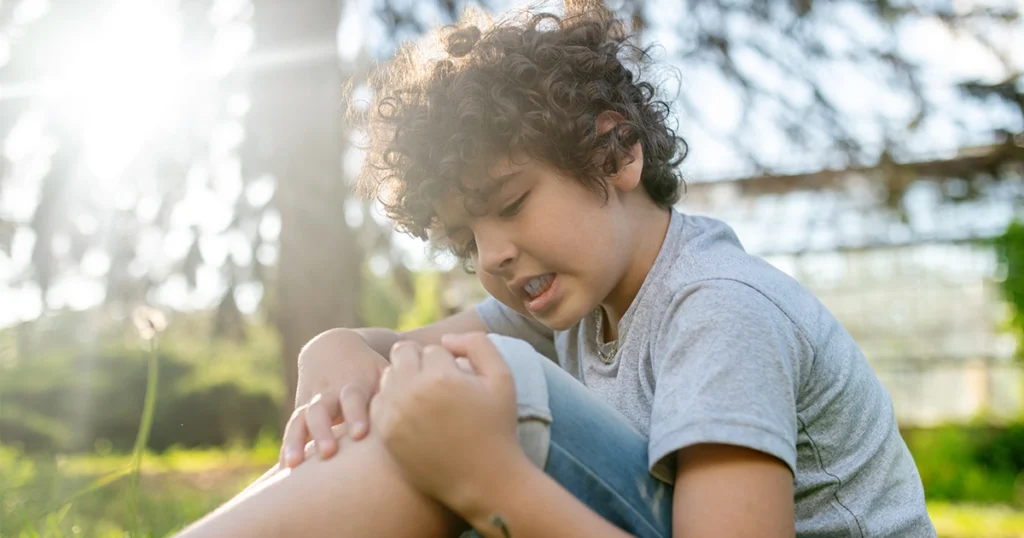
Watching a child struggle with joint pain, stiffness, and swelling can be frightening, especially when the cause is not immediately clear. Juvenile rheumatoid arthritis, also known as juvenile idiopathic arthritis, is the most common form of arthritis in children and can affect their ability to walk, play, and complete everyday activities without pain. In some cases, symptoms can also include fever, fatigue, and eye inflammation that require prompt medical attention.
The good news is that with early diagnosis and the right treatment plan, most children with juvenile rheumatoid arthritis go on to live active, healthy lives with their symptoms well controlled. Working with a trusted specialty pharmacy near me can help families access specialized medications, ongoing treatment support, and resources that improve long-term disease management. Understanding the causes, recognizing the symptoms early, and knowing which treatment options are available can make a significant difference in your child’s long-term outcome.
Why Does Juvenile Rheumatoid Arthritis Cause Joint Pain and Swelling?
Juvenile rheumatoid arthritis causes joint pain and swelling because the immune system mistakenly attacks the synovium, the thin lining that surrounds the joints. This triggers ongoing inflammation that leads to pain, stiffness, swelling, and, over time, can damage the joint tissue itself if left untreated. Using a reliable prescription delivery service can help families receive essential medications on time, making it easier to stay consistent with treatment and effectively manage the condition.
What Is Juvenile Rheumatoid Arthritis?
Juvenile rheumatoid arthritis is an autoimmune condition that occurs when a child’s immune system attacks healthy joint tissue, causing chronic inflammation. According to the National Institute of Arthritis and Musculoskeletal and Skin Diseases, juvenile arthritis affects nearly 300,000 children in the United States and can begin at any age before 16. Unlike adult rheumatoid arthritis, some children eventually outgrow the condition entirely, while others continue to need treatment into adulthood.
Symptoms of Juvenile Rheumatoid Arthritis
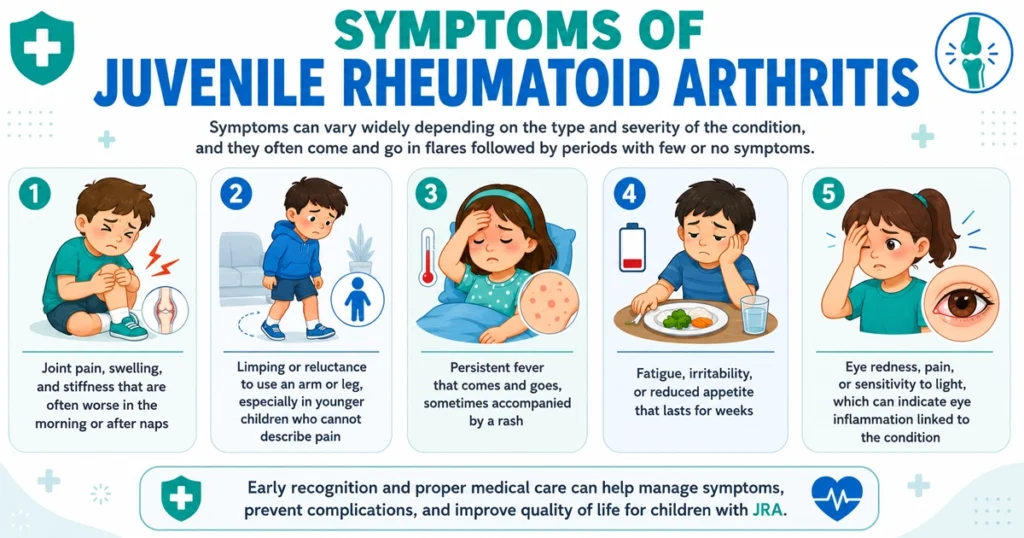
Symptoms can vary widely depending on the type and severity of the condition, and they often come and go in flares followed by periods with few or no symptoms.
- Joint pain, swelling, and stiffness that are often worse in the morning or after naps
- Limping or reluctance to use an arm or leg, especially in younger children who cannot describe pain
- Persistent fever that comes and goes, sometimes accompanied by a rash
- Fatigue, irritability, or reduced appetite that lasts for weeks
- Eye redness, pain, or sensitivity to light, which can indicate eye inflammation linked to the condition
Causes and Risk Factors of Juvenile Rheumatoid Arthritis
The exact cause of juvenile rheumatoid arthritis is not fully understood, but researchers believe a combination of genetic and environmental factors plays a role in triggering the immune system malfunction.
- A family history of autoimmune conditions may increase a child’s risk of developing juvenile arthritis
- Certain infections may trigger the immune system to begin attacking joint tissue in genetically susceptible children
- Juvenile rheumatoid arthritis is not contagious and is not caused by anything a parent did or did not do
- Girls are diagnosed with certain types of juvenile arthritis more frequently than boys
Treatment for Juvenile Rheumatoid Arthritis
Treatment focuses on reducing inflammation, relieving pain, preventing joint damage, and helping children maintain normal growth and development. Most children require a combination of medications and supportive therapies tailored to their specific type of arthritis.
- NSAIDs: Nonsteroidal anti-inflammatory drugs help reduce pain and swelling and are often used as a first step in managing mild symptoms
- DMARDs: Disease-modifying antirheumatic drugs such as methotrexate slow disease progression and help prevent long-term joint damage
- Biologic Medications: These target specific parts of the immune system responsible for inflammation and are often used when DMARDs alone are not enough
- Corticosteroids: Used short-term to quickly reduce severe inflammation during flares, though long-term use is generally avoided in children
- Physical Therapy: Helps maintain joint flexibility, muscle strength, and range of motion to support normal movement and growth
Because biologic medications and DMARDs often require careful storage, handling, and monitoring, working with a specialty pharmacy that understands these specialty medications can make managing your child’s treatment plan significantly easier for the whole family.
Home Care and Daily Management
Alongside medical treatment, certain daily habits can help manage symptoms and support your child’s overall well-being between doctor visits.
- Gentle, low-impact exercise, such as swimming or stretching, to maintain joint flexibility without added strain
- Applying warm compresses to stiff joints in the morning and cold packs to swollen joints during flares
- Maintaining a consistent sleep schedule, since fatigue can worsen symptoms and affect mood
- Encouraging open communication so your child feels comfortable describing pain and discomfort as it changes
How Long Does Juvenile Rheumatoid Arthritis Last?
Juvenile rheumatoid arthritis is a chronic condition that can last for months or years, though the course varies significantly from child to child.
- Some children experience a single episode that resolves within a few years without recurring
- Others follow a relapsing pattern with flares and remissions that can continue into adulthood
- With consistent treatment, many children reach long periods of remission where symptoms are minimal or completely absent
Juvenile Rheumatoid Arthritis vs Growing Pains
Many parents initially mistake the symptoms of juvenile rheumatoid arthritis for normal growing pains, but there are key differences between the two.
- Growing Pains: Occur in the evening or at night, affect both legs equally, and do not cause swelling, redness, or limping
- Juvenile Rheumatoid Arthritis: Often worse in the morning, may affect only one joint, and comes with visible swelling, warmth, or redness
If swelling, limping, or persistent stiffness is present, a medical evaluation is needed to rule out arthritis.
Symptoms That Should Never Be Ignored
While most flares can be managed with your child’s regular care team, certain symptoms require prompt medical evaluation and should not wait for a scheduled appointment.
- Sudden high fever combined with joint pain and a spreading rash
- Eye pain, redness, or vision changes, which can indicate serious eye inflammation
- Severe swelling in a single joint that comes on suddenly and is very painful to touch
- Signs of a medication reaction, such as difficulty breathing, swelling of the face, or a severe rash
- New or worsening symptoms that significantly limit your child’s ability to walk or use their hands
When to go to the ER?
If your child is experiencing persistent joint pain, swelling, stiffness, or unexplained fevers lasting more than a few days, it is important to schedule an evaluation with a pediatrician or pediatric rheumatologist. Early diagnosis allows treatment to begin before significant joint damage occurs, which greatly improves long-term outcomes.
Seek urgent medical care right away if your child has:
- A high fever combined with a spreading rash
- Sudden inability to walk or use a limb
- Severe swelling in a single joint that comes on suddenly
Managing Juvenile Rheumatoid Arthritis Long Term
Living with juvenile rheumatoid arthritis often means ongoing medication management, regular monitoring, and coordination between specialists, pharmacies, and insurance providers. At SwyftScripts, we specialize in helping families navigate the complexities of biologics and DMARDs that require special handling, consistent refill schedules, and ongoing clinical support throughout the treatment process.
Our team works closely with patients and caregivers to ensure access to the right specialty medications stays uninterrupted, refills arrive on time, and any questions about treatment get answered quickly and clearly. Reach out to us today to learn how we can support your child’s treatment journey.