

A diagnosis of HIV is no longer the life sentence it once was. Thanks to decades of medical advancement, HIV is now considered a manageable chronic condition rather than a fatal illness, and people living with HIV who receive proper treatment can expect to live long, healthy lives with a life expectancy close to that of someone without the virus. The cornerstone of treatment is antiretroviral therapy, commonly known as ART, which works by suppressing the virus to undetectable levels in the bloodstream. Accessing it through a trusted specialty pharmacy Houston ensures you receive the right medications with the expert support your treatment requires.
Understanding how HIV treatment works, what medications are involved, and what ongoing care looks like can help patients and their families feel more confident and prepared. With the right treatment plan and access to specialty medications, managing HIV becomes a consistent and predictable part of daily life rather than a constant source of fear. SwyftScripts also delivers HIV medications right to patients’ doors in Saint Paul, Salem, and Salt Lake City.
What Is HIV?
HIV, or human immunodeficiency virus, attacks the body’s immune system by targeting CD4 cells, which play a critical role in fighting off infections. Without treatment, HIV gradually weakens the immune system to the point where the body becomes vulnerable to infections and illnesses it would normally be able to fight off easily. According to the Centers for Disease Control and Prevention, HIV can be effectively managed with proper medical care, and people who maintain an undetectable viral load through treatment cannot transmit the virus to sexual partners.
Symptoms Of HIV You Shouldn’t Ignore!
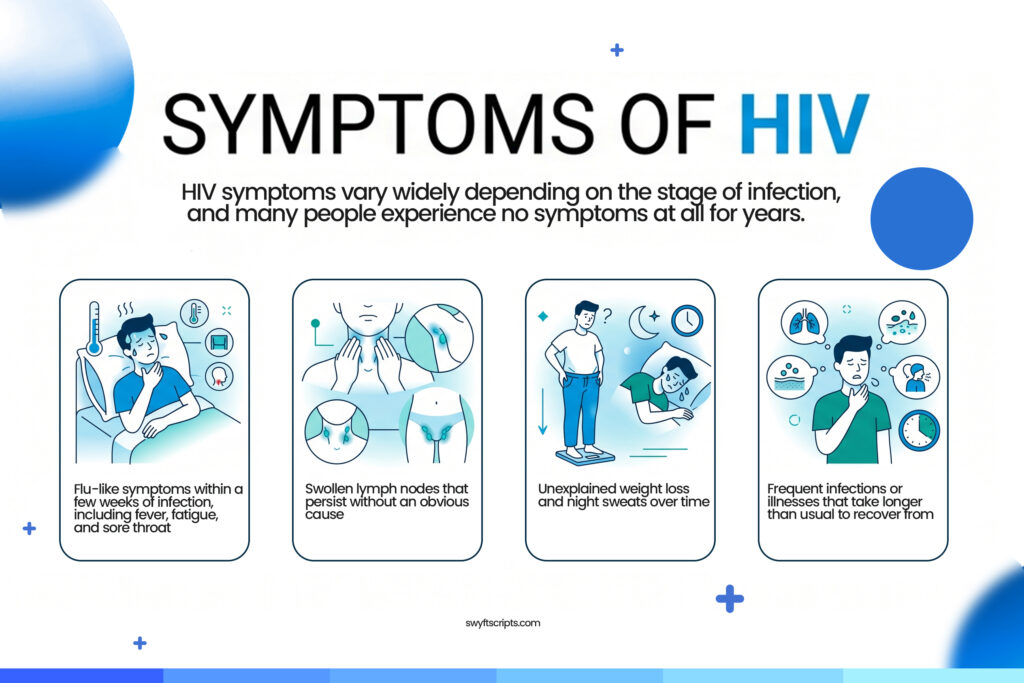
HIV symptoms vary widely depending on the stage of infection, and many people experience no symptoms at all for years. If you notice any of the following signs, getting tested and starting care through a reliable pharmacy delivery Houston service can help you begin treatment quickly and conveniently.
- Flu-like symptoms within a few weeks of infection, including fever, fatigue, and sore throat
- Swollen lymph nodes that persist without an obvious cause
- Unexplained weight loss and night sweats over time
- Frequent infections or illnesses that take longer than usual to recover from
Causes Of HIV
HIV spreads through specific body fluids and cannot be transmitted through casual contact like hugging, sharing food, or using the same utensils.
- Unprotected contact with someone who has HIV
- Sharing needles or syringes used for injecting drugs
- Transmission from mother to baby during pregnancy, childbirth, or breastfeeding
- Exposure to infected blood through transfusions or open wounds, though rare with modern screening
How Is HIV Treated?
The primary treatment for HIV is antiretroviral therapy, a combination of medications that work together to stop the virus from multiplying in the body. ART does not cure HIV, but it reduces the viral load to undetectable levels, allows the immune system to recover, and significantly lowers the risk of transmission and complications.
- NRTIs (Nucleoside Reverse Transcriptase Inhibitors): These medications block an enzyme HIV needs to copy itself and are often part of the foundation of most ART regimens
- NNRTIs (Non-Nucleoside Reverse Transcriptase Inhibitors): These work similarly to NRTIs but bind to the virus differently, often used in combination therapies
- Protease Inhibitors: These block a different enzyme HIV needs to mature into infectious particles, preventing the virus from spreading further
- Integrase Inhibitors: These prevent HIV from inserting its genetic material into healthy cells and are commonly used in modern first-line treatment regimens
- Entry or Fusion Inhibitors: These prevent HIV from entering healthy cells in the first place and are typically used when other medications have not worked effectively
Starting Antiretroviral Therapy
Current medical guidelines recommend starting ART as soon as possible after diagnosis, regardless of CD4 count or how the patient feels. Early treatment significantly reduces the risk of disease progression and helps prevent the transmission of the disease to others.
- Single Pill Regimens: Most modern ART combines multiple medications into one daily pill, making treatment far more convenient than older multi-pill schedules
- Other Health Conditions: Existing conditions can affect which medications are safe and effective for a specific patient
- Drug Interactions: Some medications cannot be combined safely, so a full medication review is essential before starting treatment
- Lifestyle Factors: Daily routine and ability to take medication consistently can influence which regimen works best long-term
Because these medications often fall under the category of specialty medications, working with a specialty pharmacy that understands the unique storage, handling, and insurance requirements involved can significantly smooth the entire process for patients.
Managing Side Effects
Like most medications, antiretroviral therapy can cause side effects, particularly when treatment first begins. Most side effects are mild and tend to improve within the first few weeks as the body adjusts.
- Nausea, diarrhea, or general stomach discomfort during the initial weeks of treatment
- Fatigue or trouble sleeping, which often improves as the body adapts to the medication
- Headaches or mild dizziness that typically resolve without needing to change medications
- Changes in cholesterol or blood sugar levels, which require regular monitoring through routine bloodwork
- Skin rashes, which should always be reported to a doctor, since some can indicate a more serious reaction
If side effects persist or become difficult to manage, doctors can often adjust the regimen to a different combination of medications that may be better tolerated.
Ongoing Monitoring And Long-Term Management
Successfully treating HIV is not just about taking medication; it also involves consistent monitoring to ensure the treatment is working as intended.
- Regular Bloodwork: Tracks viral load and CD4 counts so doctors can confirm the virus remains suppressed and the immune system is recovering
- Medication Adherence: Taking medication exactly as prescribed without skipping doses prevents the virus from developing resistance
- Lifestyle Habits: A balanced diet, regular physical activity, and avoiding smoking all support the immune system over time
- Managing Other Conditions: Keeping other chronic health conditions under control helps improve overall outcomes and quality of life
When To Go To The ER
Most day-to-day HIV management happens through routine doctor visits, but certain symptoms should never wait for a scheduled appointment. Seek emergency care immediately if you experience:
- High fever that does not respond to medication, especially with chills or confusion
- Severe shortness of breath or chest pain
- Sudden vision changes or a severe headache that does not improve
- Persistent vomiting or diarrhea leading to signs of dehydration
- Sudden weakness, numbness, or difficulty speaking
These symptoms can indicate a serious infection or complication that requires immediate medical evaluation rather than waiting for a regular appointment with your HIV care provider.
Get Support With Your HIV Treatment
Living with HIV is far more manageable today than ever before, but staying consistent with treatment requires reliable access to medications and support along the way. At Swyft Scripts, our team understands the unique needs of patients managing complex specialty medications, including HIV treatment regimens that require careful handling, timely refills, and personalized support. From answering questions about your medications to coordinating with your insurance, we are here to make sure your treatment stays on track without unnecessary stress. Contact us today to discover how we can assist with your treatment plan.