

Fabry disease is a rare inherited condition that can cause pain, fatigue, skin changes, and gradually affect organs like the heart and kidneys over time. Many people live for years with vague symptoms before receiving an accurate diagnosis, which can make the condition feel confusing and overwhelming for both patients and families. In some cases, untreated Fabry disease can lead to serious complications involving the heart, kidneys, and nervous system.
The good news is that with the right treatment plan, including enzyme replacement therapy and support from a specialty pharmacy near me, many people with Fabry disease can manage their symptoms and slow disease progression significantly. Understanding what causes Fabry disease, recognizing the symptoms early, and knowing your treatment options can make a meaningful difference in long-term health outcomes.
What Is Fabry Disease?
Fabry disease is a rare genetic lysosomal storage disorder caused by a mutation in the GLA gene, which is responsible for producing the alpha-galactosidase A enzyme. According to the National Institutes of Health, Fabry disease affects approximately 1 in 40,000 to 60,000 males, though it can also affect females, sometimes with significant symptoms despite historically being considered a milder presentation in women.
Why Does Fabry Disease Affect So Many Parts of the Body?
Fabry disease affects multiple organs because it is caused by a buildup of a fatty substance called globotriaosylceramide, or GL-3, inside the cells throughout the body. This buildup occurs due to a deficiency in an enzyme called alpha galactosidase A, and over time, it damages blood vessels, nerves, and organs, including the heart, kidneys, and skin.
Causes and Risk Factors of Fabry Disease
Fabry disease is caused by an inherited gene mutation, meaning it is passed down through families rather than developing from lifestyle or environmental factors.
- Caused by a mutation in the GLA gene located on the X chromosome
- Inherited in an X-linked pattern, meaning it can be passed from parent to child
- Affects males and females differently, though both can experience significant symptoms
- A family history of Fabry disease, unexplained kidney problems, or early heart disease can be an important clue for diagnosis
Symptoms of Fabry Disease
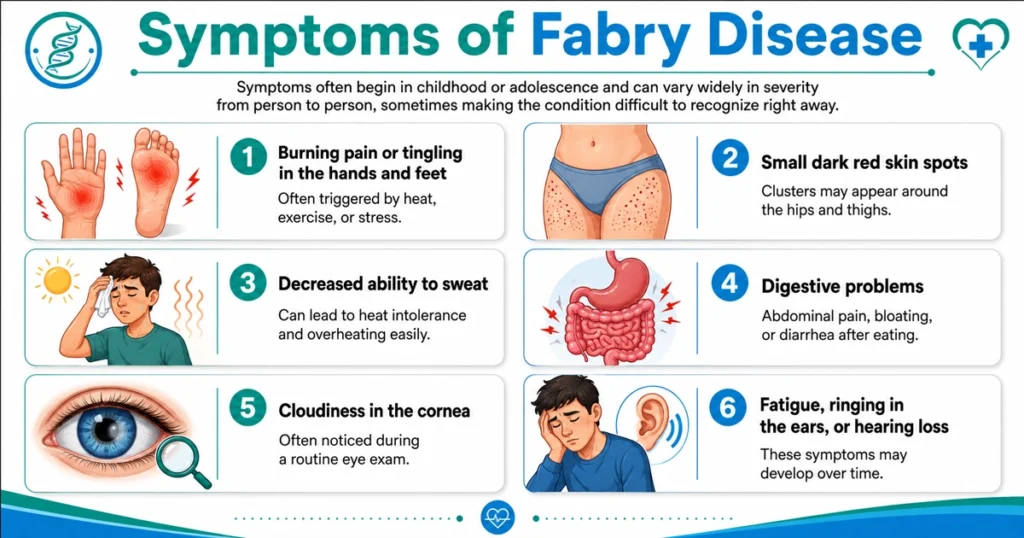
Symptoms often begin in childhood or adolescence and can vary widely in severity from person to person, sometimes making the condition difficult to recognize right away before treatment through a prescription delivery service.
- Burning pain or tingling in the hands and feet, often triggered by heat, exercise, or stress
- Clusters of small, dark red spots on the skin, particularly around the hips and thighs
- Decreased ability to sweat, leading to heat intolerance and overheating easily
- Gastrointestinal issues such as abdominal pain, bloating, or diarrhea after eating
- Cloudiness in the cornea of the eye is often noticed during a routine eye exam
- Fatigue, ringing in the ears, or hearing loss that develops over time
Note to dev: please add supporting img here
Treatment for Fabry Disease
Treatment for Fabry disease focuses on replacing the missing enzyme, managing symptoms, and protecting organs from further damage. A treatment plan is typically developed with a team of specialists familiar with this rare condition.
- Enzyme Replacement Therapy: Regular infusions replace the missing alpha galactosidase A enzyme to help reduce GL-3 buildup in the body
- Oral Chaperone Therapy: A pill-based option for certain patients with specific gene mutations that helps stabilize the enzyme the body already produces
- Pain Management Medications: Help control the burning nerve pain that is common in Fabry disease, especially during flare-ups
- Heart and Kidney Medications: Help protect organs that are commonly affected by Fabry disease as the condition progresses
- Regular Specialist Monitoring: Ongoing checkups with cardiology, nephrology, and genetics specialists help track organ function over time
Because enzyme replacement therapy and other Fabry medications fall under specialty medications, working with a specialty pharmacy that understands the scheduling, storage, and insurance coordination involved can make managing ongoing treatment significantly easier.
Home Care and Daily Management
Alongside medical treatment, certain daily habits can help manage symptoms and reduce the frequency of pain flares between appointments.
- Avoiding known triggers for pain flares, such as extreme heat, intense exercise, or sudden temperature changes
- Staying well hydrated, especially since reduced sweating can make overheating more likely
- Wearing breathable clothing and using cooling techniques during hot weather or physical activity
- Keeping a symptom journal to help your care team identify patterns and adjust treatment as needed
How Long Does Fabry Disease Last?
Fabry disease is a lifelong genetic condition, meaning it does not go away on its own and requires ongoing management throughout a person’s life.
To understand its long-term impact:
- Without Treatment: The condition tends to progress over time, gradually affecting the heart, kidneys, and nervous system as GL-3 continues to build up in the body.
- With Treatment: Through early diagnosis and consistent medical care, many people are able to slow this progression significantly and maintain a good quality of life for many years.
Fabry Disease vs Other Causes of Chronic Pain
Because burning pain in the hands and feet is a hallmark symptom, Fabry disease is sometimes mistaken for other conditions like fibromyalgia, growing pains, or nerve damage from diabetes.
Unlike many other causes of chronic pain, Fabry-related pain often appears alongside other specific warning signs:
- Skin changes (like clusters of dark red spots)
- Heat intolerance and decreased ability to sweat
- Gastrointestinal symptoms (like abdominal pain or bloating)
- A clear family history of similar issues
If chronic pain is paired with unexplained kidney issues, heart problems, or a family history of the symptoms listed above, genetic testing for Fabry disease may be recommended.
Symptoms That Should Never Be Ignored!
While many Fabry symptoms can be managed with your regular care team, certain symptoms require prompt medical evaluation and should not wait for a scheduled appointment.
- Chest pain, irregular heartbeat, or shortness of breath, which could indicate heart involvement
- Sudden swelling in the legs, significant changes in urination, or extreme fatigue, which could signal kidney problems
- Sudden weakness, numbness, vision changes, or difficulty speaking, which could indicate a stroke
- Severe, unrelenting pain flares that do not respond to your usual pain management plan
When to Go to the ER?
Most Fabry disease management happens through scheduled visits with specialists, but certain symptoms require immediate emergency care rather than waiting for an appointment. Seek emergency care right away if you experience:
- Chest pain
- Sudden shortness of breath
- Sudden weakness or numbness on one side of the body
- Slurred speech
- Signs of a severe allergic reaction during enzyme infusion therapy
Facilities equipped to handle complex symptoms can provide the immediate evaluation needed to rule out serious complications related to Fabry disease.
Specialty Pharmacy Support for Fabry Disease Treatment
Fabry disease treatment often involves long-term specialty medications that require careful monitoring, proper handling, and consistent access to therapy. Patients receiving enzyme replacement therapy or ongoing specialty medications may need ongoing support to stay on schedule and manage treatment effectively.
SwyftScripts helps support patients with Fabry disease by providing timely medication delivery, care coordination, and assistance throughout the treatment process. With reliable specialty pharmacy support, patients can maintain treatment consistency and better manage their long-term care needs.
FAQ
Is Fabry disease curable?
While there is no cure for Fabry disease, treatments like enzyme replacement therapy can significantly slow its progression and improve quality of life.
Can women have Fabry disease?
Yes, women carrying the gene mutation can experience symptoms ranging from mild to severe, making testing and regular monitoring important.
What triggers a Fabry disease pain flare?
Common triggers include extreme temperatures, intense physical activity, fever, and stress, which can be minimized through avoidance and proper treatment.