
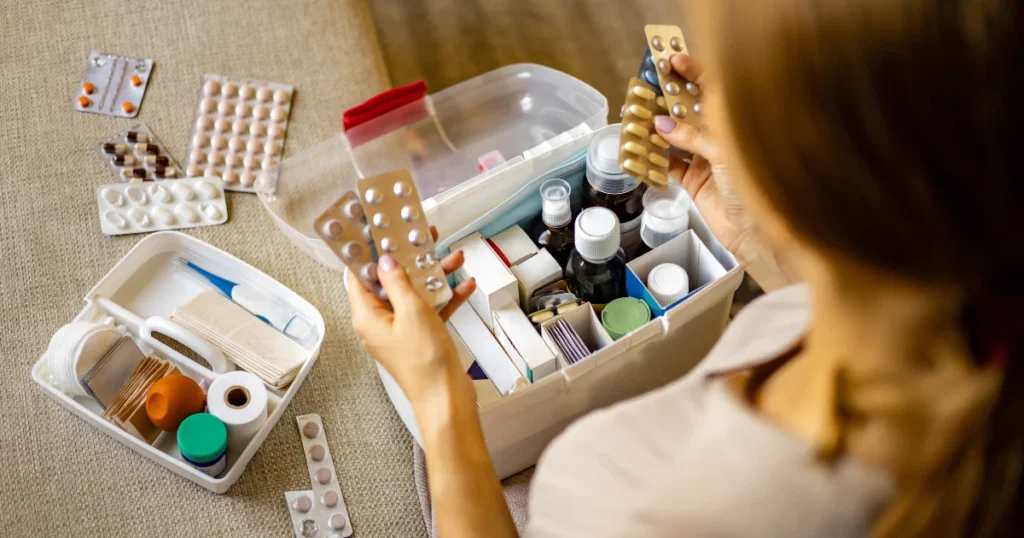
Medication safety does not end when a prescription is picked up or delivered. Where and how medication is stored can also matter, particularly when children, visitors, or other household members could accidentally access it. For patients managing specialty medications, a specialty pharmacy Houston can provide convenient prescription support, while safe storage at home can add another layer of protection.
A medication lockbox is a lockable container designed to restrict access to medications. Depending on the person’s needs, it may be used to keep prescription medicines secure from children, visitors, or anyone who should not have access to them. Secure medication storage can be particularly important for certain medicines that carry risks if they are taken by someone for whom they were not prescribed. The CDC recommends keeping medicines safely stored and specifically advises that prescription narcotics such as opioids be secured in a locked cabinet or drawer.
What Is a Medication Lockbox?
A medication lockbox is a secured storage container used to limit access to prescription or other medicines. It may have a key, combination, electronic lock, or another access-control mechanism, depending on the product. The purpose is straightforward: keep medications accessible to the person who needs them while making unauthorized access more difficult. A lockbox can be useful in households where:
- Young children are present
- Multiple people share the same living space
- Visitors or caregivers regularly enter the home
- A medication has a potential for misuse if taken by someone else
- A patient wants an additional layer of security for prescription storage
- Several medications need to be kept organized in one secure location
A lockbox should not replace the storage instructions provided with a specific medication. Some medications have requirements involving temperature, moisture, light, or other conditions. Patients should follow the prescription label and pharmacist or manufacturer instructions for proper storage.
Why Is Secure Medication Storage Important?
Prescription medications can provide important benefits when they are taken as prescribed, but accidental or unauthorized access can create serious safety concerns.
The CDC recommends keeping medicines out of the reach and sight of young children and returning them to a safe storage location after use. Its medication safety guidance also recommends securing certain controlled medications, including prescription narcotics, in a locked cabinet or drawer. Secure storage can help reduce the possibility of:
- Accidental ingestion
- Medication being taken by someone other than the intended patient
- Misuse of prescription medications
- Loss or unauthorized access
- Children finding loose or improperly stored medication
Who May Benefit From a Medication Lockbox?
A medication lockbox may be useful for different patients and households. There is no single storage solution that is appropriate for everyone, so the decision should take into account the medication, household environment, and any storage instructions associated with the prescription.
Families With Young Children
Children may accidentally access medicines left within reach. The CDC recommends keeping medicines out of their sight and reach and securely closing containers after use. A medication lockbox adds an extra layer of protection in homes with young children.
Households With Multiple People
A shared home may include family members, roommates, caregivers, or frequent visitors. Keeping medication in a secured container can help make it clear that the medication is intended for a specific person. This can be particularly relevant when a prescription should not be shared with others.
Patients Taking Certain Controlled Medications
Some medications require greater attention to secure storage because of their potential for misuse or diversion. The CDC specifically recommends locked storage for prescription narcotics such as opioids. Patients should ask their healthcare professional or pharmacist about appropriate storage for their specific prescription.
What Should You Keep in a Medication Lockbox?
A medication lockbox can be used for prescription medicines when the storage conditions are compatible with the medication. Patients may use secure storage for:
- Prescription bottles
- Certain specialty medications
- Medications that should not be accessed by others
- Prescription supplies that need to remain with the medication
- Other medicines when secure storage is appropriate
However, not every medication should simply be placed inside a lockbox without considering its storage requirements. For example, some medications may require refrigeration or protection from light or moisture. A lockbox should never override the storage instructions provided for the medication. If you are uncertain about how a medication should be stored, speak with your pharmacist or healthcare provider.
Is a Medication Lockbox the Same as a Medication Safe?
The terms can sometimes be used interchangeably, but products marketed for medication storage can vary considerably. A medication lockbox generally refers to a smaller secured container designed to restrict access to its contents. A medication safe may provide additional security features, such as stronger construction or more advanced locking mechanisms.
The appropriate option depends on the medication and the patient’s circumstances. It is also important to distinguish household medication storage products from specialized medical equipment. The FDA, for example, lists a device lockbox intended to hold an infusion pump and help secure the medication syringe contained within the pump. That is a specific medical-device application and is different from the everyday medication lockboxes used for household prescription storage.
How Should Medications Be Stored Inside a Lockbox?
Using a lockbox does not eliminate the need for responsible medication management. Patients should:
- Keep medications in their original labeled containers when appropriate
- Follow the storage instructions on the prescription label
- Keep safety caps properly closed
- Keep the lockbox secured when it is not being accessed
- Avoid storing medications in unsuitable temperatures or environments
- Check expiration dates periodically
- Keep medications away from children and unauthorized users
- Dispose of unused or expired medicines according to appropriate guidance
The CDC recommends keeping prescription medicine in its original packaging with the safety lock tightened and secured. It also recommends appropriate disposal of unused or expired medicines.
Does a Medication Lockbox Help With Medication Safety?
A lockbox can be one part of a broader medication safety strategy. Medication safety also involves taking the correct medicine at the prescribed dose and schedule, understanding instructions, monitoring for potential problems, and maintaining appropriate communication with healthcare professionals.
For patients taking multiple medications, pharmacy services such as medication reconciliation, medication therapy management, comprehensive medication reviews, and pharmacist consultations can help organize medication-related information. SwyftScripts lists these services as part of its pharmacy offerings.
A lockbox therefore addresses secure storage, while pharmacist support can address questions and other aspects of medication management.
What Is the Difference Between Secure Storage and Medication Management?
Secure medication storage helps protect prescriptions from unauthorized access, while medication management focuses on using and maintaining medications safely and correctly. Medication management may include understanding prescription instructions, managing refills, reviewing medications, supporting adherence, answering medication questions, and coordinating care with healthcare providers.
SwyftScripts supports medication management through services such as medication reminders, medication reconciliation, pharmacist consultations, refill coordination, medication therapy management, and home delivery. These services complement secure storage but do not replace medication-specific storage instructions from your pharmacist or healthcare provider.
Can Prescription Delivery Support Medication Management?
Prescription delivery can make it easier for patients to receive medications without making repeated trips to a pharmacy. SwyftScripts provides direct-to-home prescription delivery and offers tools designed to support prescription management.
Its patient platform also includes medication reminders and access to a virtual pharmacist, while its prescriber services include refill coordination, adherence monitoring, and communication with clinical teams. For patients who need specialty medications, combining reliable prescription access with appropriate medication storage can help make the overall medication routine more manageable.
What Should You Ask Your Pharmacist About Medication Storage?
If you are unsure whether a medication should be stored in a lockbox or another secure location, consider asking your pharmacist:
- Does this medication require special storage?
- Should this medication be refrigerated?
- Does it need protection from light or moisture?
- Should it remain in its original container?
- Should this medication be kept in a locked location?
- How should unused medication be disposed of?
- Can this medication be safely stored with my other prescriptions?
- Are there special storage considerations when traveling?
What Should You Do With Unused or Expired Medication?
A medication lockbox is intended for storage, not long-term accumulation of unused prescriptions. Unused or expired medication should be handled according to applicable disposal instructions. The CDC recommends using medication take-back options when available and following specific disposal instructions for medications that require them.
Patients should not flush medications simply because they are expired. Disposal recommendations can differ depending on the specific medication, so check the label, pharmacist guidance, or official disposal instructions.
How Can SwyftScripts Help With Medication Management?
Safe medication storage is only one part of managing prescriptions responsibly. Patients may also need help with refills, medication reminders, prescription questions, insurance requirements, and getting medications delivered on time. SwyftScripts provides specialty pharmacy services that help simplify these aspects of medication management. Its services include pharmacist consultations, medication reminders, medication reconciliation, medication therapy management, prior authorization support, refill coordination, and home delivery.
Whether you need help coordinating a specialty prescription or want a more convenient way to receive your medications, SwyftScripts works with patients and healthcare providers to make prescription management more accessible and organized. Contact SwyftScripts to learn more about its specialty pharmacy services.
Frequently Asked Questions
Why should medications be kept in a locked box?
A locked storage container can provide an additional layer of protection, particularly in homes with children or when medications have a potential for misuse. The CDC recommends locked storage for certain prescription narcotics, including opioids.
Is a medication lockbox required for prescription medications?
A medication lockbox is not universally required for all prescriptions. However, secure storage may be recommended or especially important for certain medications, including some controlled substances.
Can a pharmacist explain how to store my medication?
Yes. Pharmacists can answer medication-specific questions about storage, administration, potential interactions, refills, and other aspects of medication management. SwyftScripts provides access to pharmacist support as part of its specialty pharmacy services.
Does SwyftScripts provide prescription delivery?
Yes. SwyftScripts provides direct-to-home prescription delivery and offers medication management tools, including medication reminders and pharmacist support.