
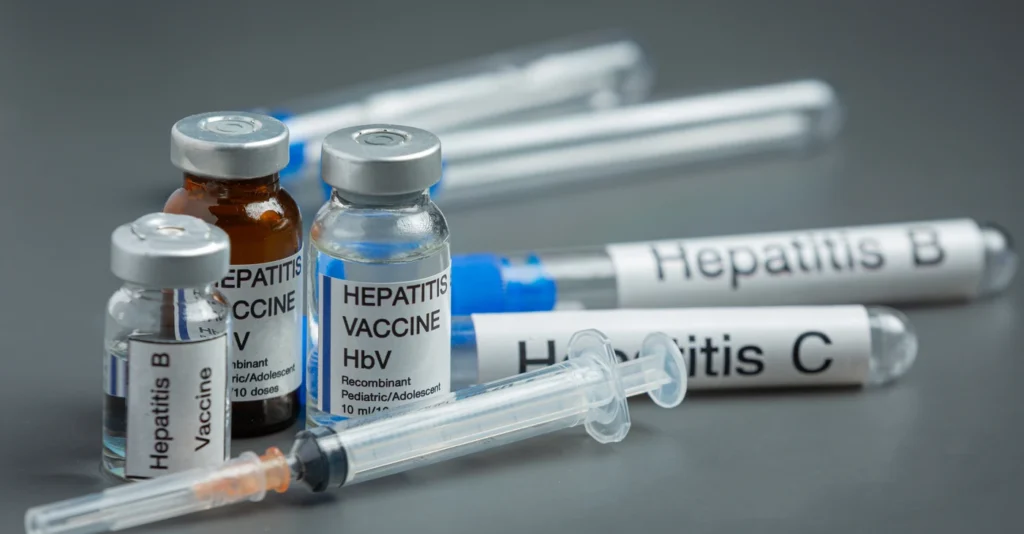
Managing hepatitis effectively starts with understanding the right treatment options. Hepatitis B medication plays a critical role in controlling the virus, reducing liver damage, and improving long-term health outcomes.
Today, advanced antiviral medication for hepatitis B helps suppress viral replication and prevent complications such as cirrhosis and liver cancer. While many people also explore supportive approaches as a hepatitis remedy, medical treatment remains the foundation of care. It’s also important not to confuse therapies, as anti-viral drugs for hepatitis C are different and designed specifically for another form of the virus.
In this blog, we’ll break down how hepatitis B medications work, the available treatment options, and what patients should know when starting therapy, along with how SwyftScripts simplifies care by managing prescriptions and delivering medications directly to patients at home. They also provide hepatitis B medications to patients in Energy Corridor, West Houston, Fifth Ward, Northeast Houston, and Florida as well.
Understanding Hepatitis B
Hepatitis B is a viral infection that attacks the liver and can cause both short-term (acute) and long-term (chronic) disease. It is caused by the hepatitis B virus (HBV), which interferes with normal liver function and triggers inflammation that can lead to serious liver damage over time.
The virus spreads through contact with infected blood or body fluids, including unprotected sex, sharing needles, unsafe medical procedures, or from an infected mother to her baby at birth. Some people clear the virus naturally within a few months, but others develop chronic hepatitis B, a lifelong condition that increases the risk of cirrhosis, liver failure, and liver cancer.
Medications for Hepatitis B
The goal of hepatitis B medication is to suppress the hepatitis B virus (HBV), reduce liver inflammation, and prevent long-term complications such as cirrhosis and liver cancer. In the United States, there are approved treatment options for adults with chronic hepatitis B, divided into two main categories: oral antiviral drugs and injectable immune modulators. Not every patient needs immediate therapy, so a liver specialist determines the right treatment for hepatitis B based on blood tests, liver imaging, and disease activity.
According to the Hepatitis B Foundation, the following drugs are approved for the treatment of hepatitis B.
Disclaimer: This information is for educational purposes only and is not a substitute for medical advice from your healthcare providers.
1. Oral Antiviral Drugs (Nucleos(t)ide Analogues)
These are pills taken once daily, often for one year or longer, and are the most commonly prescribed option.
- Tenofovir disoproxil (Viread): A first-line drug with a strong resistance profile and minimal side effects.
- Tenofovir alafenamide (Vemlidy): A newer first-line option with similar effectiveness and improved kidney and bone safety.
- Entecavir (Baraclude): Another first-line therapy known for its potency and low resistance risk.
- Telbivudine (Tyzeka/Sebivo): A second-line option used less frequently today.
- Adefovir dipivoxil (Hepsera): A second-line drug that requires regular kidney monitoring.
- Lamivudine (Epivir-HBV/Zeffix/Heptodin): An older drug now rarely used due to high resistance rates.
These oral drugs are considered the most effective antiviral medication for hepatitis B for long-term viral suppression.
2. Immune Modulators (Interferons)
These medications help stimulate the body’s immune response against HBV and are given as injections.
- Pegylated Interferon (Pegasys): Injected once weekly for 6 months to 1 year; may cause flu-like symptoms and mood changes.
- Interferon Alpha (Intron A): An older injectable option used less often due to side effects and frequent dosing.
Choosing the right medication for hepatitis B depends on liver health, viral activity, potential side effects, and patient preference. Regular follow-ups with a liver specialist are essential, whether or not treatment is started, to monitor disease progression and adjust care when needed.
Trusted Hepatitis B Medication Support Starts with SwyftScripts
Managing hepatitis B requires the right care, consistent monitoring, and access to reliable hepatitis B medication. While it’s important to understand that anti-viral drugs for hepatitis C are different and condition-specific, the right therapy can help slow disease progression and protect liver health.
If you’re looking for dependable medicines to control hepatitis, SwyftScripts, a trusted specialty pharmacy Houston patients rely on, makes the process simple by connecting doctors, pharmacies, and patients, managing prescriptions seamlessly, and delivering medications directly to your doorstep so that you can focus on your health without the hassle.