
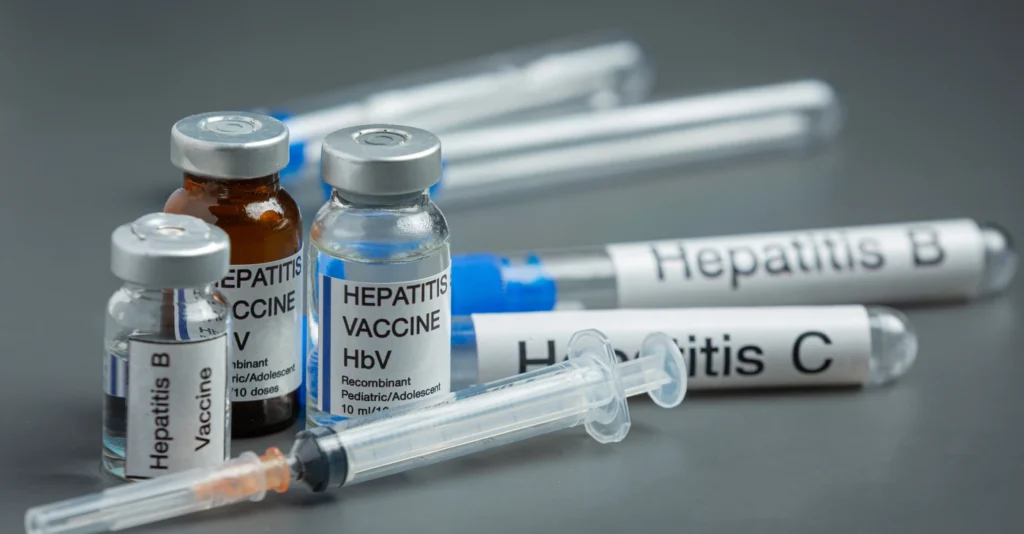
Dealing with Hepatitis C can be overwhelming, and you’re not alone because globally, an estimated 50 million people are living with chronic hepatitis C virus infection, with about 1.0 million new infections occurring each year. The good news is that effective hepatitis C treatment is now available. With modern medications and medical care, most people can completely clear the virus and protect their liver from further damage.
In this blog, we’ll explain what Hepatitis C is, its causes, and potential complications. Then, we’ll cover how it is diagnosed and the tests involved, followed by a detailed look at the different treatment options for Hepatitis C, from antiviral medications to supportive care and procedures for liver complications, so you can understand the best ways to manage this condition.
If you want to protect your liver while keeping treatment simple, SwyftScripts works with licensed pharmacies to help patients access prescribed Hepatitis C medications safely, securely, and conveniently.
Start your hepatitis C treatment today with SwyftScripts and protect your liver! We deliver hepatitis C medications right to patients’ doors in Montgomery, Montpelier, and Montrose, Central Houston.
What is Hepatitis C?

Hepatitis C is a liver infection caused by the hepatitis C virus (HCV). The virus attacks the liver, causing inflammation that can affect how well the liver works.
In many cases, people with Hepatitis C don’t notice symptoms at first, but over time, it can lead to serious liver problems such as scarring (fibrosis), cirrhosis, liver failure, or even liver cancer if left untreated.
Hepatitis C is usually spread through blood-to-blood contact, such as:
- Sharing needles or syringes
- Receiving unscreened blood transfusions
- Sometimes through certain medical procedures or tattoos with unsterilized equipment
With modern treatment for Hepatitis C, most people can completely cure the infection and prevent long-term liver damage.
Causes of Hepatitis C
Hepatitis C is caused by the hepatitis C virus (HCV). The virus spreads through blood-to-blood contact. Common ways it can be transmitted include:
- Sharing needles or syringes for drug use.
- Receiving unscreened blood transfusions or organ transplants (rare in countries with strict screening).
- Unsafe medical procedures where equipment isn’t properly sterilized.
- Sharing personal items like razors or toothbrushes that might have blood on them.
- Mother-to-child transmission during childbirth (less common).
Hepatitis C is not spread through casual contact, like hugging, kissing, or sharing food.
Risk Factors for Hepatitis C
Certain factors increase the chance of getting infected:
- Injecting drugs or sharing needles.
- Blood transfusions or organ transplants before 1992 (when blood screening became common).
- Long-term hemodialysis (kidney dialysis).
- Being born to a mother with Hepatitis C.
- Healthcare workers exposed to infected blood through needle sticks.
- Unregulated tattoos or piercings with non-sterile equipment.
- Living with someone who has Hepatitis C (risk is low but possible if there is blood contact).
In short, any situation where blood from an infected person enters another person’s bloodstream can lead to Hepatitis C.
Complications from Hepatitis C?
Hepatitis C can silently damage the liver over time, leading to serious health problems if left untreated. Understanding the potential complications from Hepatitis C virus can help you take timely action and protect your liver.
Liver Scarring (Fibrosis)
Long-term inflammation caused by Hepatitis C can lead to the formation of scar tissue in the liver, a condition known as fibrosis. This scarring gradually replaces healthy liver tissue, making it harder for the liver to function properly. Over time, as more scar tissue accumulates, liver performance continues to decline. Without treatment, fibrosis can slowly progress and set the stage for more severe complications.
Cirrhosis
When scarring becomes extensive and affects the entire liver, it is called cirrhosis. This condition makes the liver stiff and limits its ability to filter toxins, produce essential proteins, and fight infections. Cirrhosis often develops after years of untreated Hepatitis C. It can significantly impact overall health and increase the risk of life-threatening problems.
Liver Failure
Severe cirrhosis can eventually lead to liver failure, a condition where the liver can no longer perform its vital functions. This can cause dangerous complications throughout the body, including toxin buildup and bleeding problems. Liver failure is considered life-threatening and often requires a liver transplant. Early detection and treatment are crucial to prevent reaching this stage.
Liver Cancer
People with long-term Hepatitis C infection, especially those with cirrhosis, are at higher risk of developing liver cancer, medically called hepatocellular carcinoma. Liver cancer can be aggressive and difficult to treat if not caught early. Regular monitoring is important for individuals with advanced liver damage. Timely antiviral treatment can help reduce this risk.
Other Body Effects
Hepatitis C can sometimes affect organs beyond the liver. It may cause kidney problems, such as reduced function or disease, skin issues like rashes, and blood-related complications, including anemia or clotting disorders. These extrahepatic effects show that Hepatitis C is not only a liver condition but can impact overall health.
Extra Symptoms
Many people with chronic Hepatitis C experience symptoms like fatigue, joint pain, loss of appetite, and nausea. These symptoms can be mild at first but may worsen as the liver becomes more damaged. Even when the infection seems “silent,” the virus can be quietly harming the body. Early treatment helps reduce these symptoms and protects liver health.
In short: Hepatitis C can start mild, but without treatment, it may lead to serious liver disease and affect overall health.
Diagnosis and Testing for Hepatitis C
Hepatitis C is often called a “silent” infection because many people don’t show symptoms at first. The virus can only be detected through blood tests, which check for antibodies and viral activity.
- Hepatitis C Antibody Test
- Usually the first test.
- Check if your body has ever been exposed to the virus.
- A positive result means you may have been infected, but it doesn’t confirm an active infection.
- Usually the first test.
- HCV RNA Test (Viral Load Test)
- Done if the antibody test is positive.
- Look for the actual virus in the blood.
- Confirms whether the infection is active and measures how much virus is present.
- Done if the antibody test is positive.
- Genotype Test
- Identifies the strain (genotype) of Hepatitis C.
- Helps doctors choose the most effective treatment.
- Identifies the strain (genotype) of Hepatitis C.
- Liver Function Tests (LFTs)
- Blood tests that check how well the liver is working.
- Help detect liver inflammation or damage caused by the virus.
- Blood tests that check how well the liver is working.
- Imaging or Biopsy (if needed)
- Ultrasound, FibroScan, or liver biopsy may be used to assess liver damage.
- Not always required but help guide treatment decisions.
- Ultrasound, FibroScan, or liver biopsy may be used to assess liver damage.
Treatment for Hepatitis C
Medications
The main and most effective way to treat Hepatitis C is through direct-acting antivirals (DAAs). These medications specifically target the virus and can completely cure the infection in most cases, usually within 8–12 weeks.
When treatment is successful and the virus is no longer detectable in the blood 12 weeks after completing therapy, this is known as Sustained Virologic Response (SVR), which is considered a cure for Hepatitis C and greatly reduces the risk of long-term liver damage.
Common DAAs include:
- Sofosbuvir (Sovaldi): Stops the virus from multiplying in liver cells.
- Ledipasvir/Sofosbuvir (Harvoni): A combination pill that targets multiple steps of the virus’s life cycle.
- Velpatasvir/Sofosbuvir (Epclusa): Effective against all Hepatitis C genotypes.
- Glecaprevir/Pibrentasvir (Mavyret): Usually a shorter course, effective for most genotypes.
- Elbasvir/Grazoprevir (Zepatier): Often used for specific genotypes or patients with other health conditions.
Other medications sometimes used:
- Ribavirin: Sometimes added for hard-to-treat cases, but rarely used alone.
- Pegylated interferon: An older therapy that stimulates the immune system to fight the virus, now mostly replaced by DAAs because it is less effective and has more side effects.
Medications are preferred because they cure the virus directly, prevent further liver damage, and reduce the risk of cirrhosis or liver cancer.
Surgical/Procedural Options (for complications, not virus cure)
While medications can cure the virus, surgery or procedures may be needed if Hepatitis C has already caused serious liver damage. These options don’t eliminate the virus, but they help manage life-threatening complications.
Key surgical/procedural options include:
- Liver transplant:
- Used when liver damage is severe (end-stage liver disease) or liver failure occurs.
- The damaged liver is replaced with a healthy donor liver.
- Patients usually still need antiviral medication after the transplant to prevent reinfection.
- Used when liver damage is severe (end-stage liver disease) or liver failure occurs.
- Procedures for cirrhosis complications:
- Endoscopic treatment for esophageal varices: Swollen veins in the esophagus caused by high pressure in the liver can bleed dangerously. Endoscopy can tie off or treat these veins to prevent bleeding.
- Paracentesis: If fluid accumulates in the abdomen (ascites), doctors may drain it to relieve discomfort and prevent infection.
- Endoscopic treatment for esophageal varices: Swollen veins in the esophagus caused by high pressure in the liver can bleed dangerously. Endoscopy can tie off or treat these veins to prevent bleeding.
These interventions are only necessary in advanced stages of liver disease caused by Hepatitis C.
Other Treatment Options / Supportive Care
In addition to medications and procedures, supportive care helps maintain liver health, prevent further damage, and improve overall well-being.
Supportive measures include:
- Lifestyle modifications:
- Avoid alcohol entirely, as it accelerates liver damage.
- Eat a liver-friendly diet rich in vegetables, lean protein, and low in processed foods.
- Maintain a healthy weight to reduce stress on the liver.
- Avoid alcohol entirely, as it accelerates liver damage.
- Vaccinations: Protect against other forms of hepatitis (A and B), which can worsen liver health.
- Regular monitoring:
- Blood tests to check liver function and detect early signs of damage.
- Imaging tests like ultrasound or FibroScan to monitor liver scarring or detect liver cancer early in patients with cirrhosis.
- Blood tests to check liver function and detect early signs of damage.
Supportive care does not cure the virus, but it helps the liver recover and lowers the risk of serious complications.
Protect Your Liver with Proper Hepatitis C Medications
Effective hepatitis C treatment begins with the right medications to target the hepatitis C virus. Modern direct-acting antivirals (DAAs) can clear the virus from your system, helping to prevent further liver damage and reduce the risk of serious complications such as cirrhosis or liver cancer. Staying consistent with your treatment for Hepatitis C is key to protecting your liver and overall health.
At SwyftScripts, we make it easy to access your hepatitis C treatment medications safely and conveniently. From home delivery to managing refills, SwyftScripts ensures you never miss a dose, keeping your treatment for Hepatitis C on track.
Take control of your health today, start your hepatitis C treatment with SwyftScripts, and protect your liver from the long-term effects of the virus.