
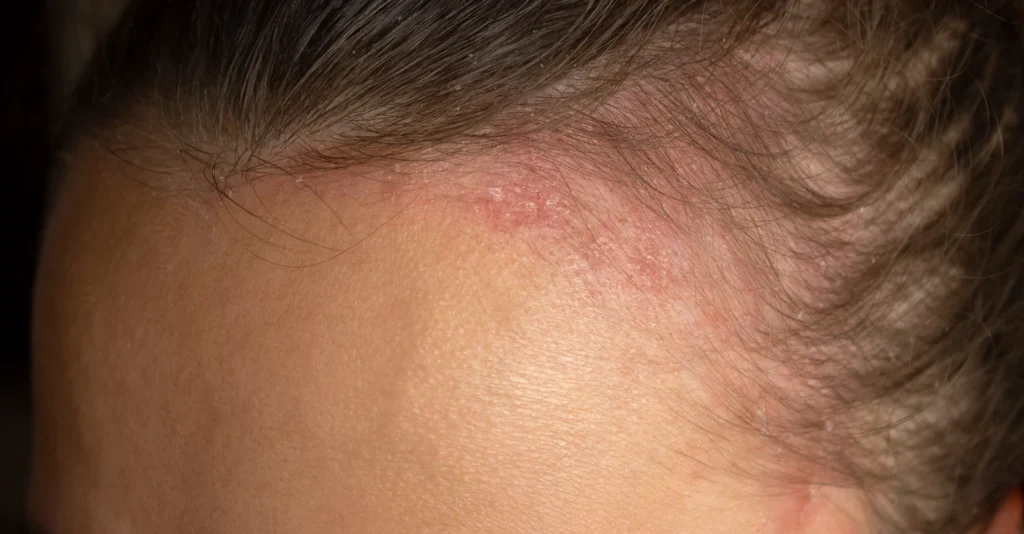
Dealing with psoriasis can be challenging, but the good news is that effective psoriasis treatment is available to help manage its symptoms and reduce flare-ups. Many people with psoriasis notice that their symptoms tend to worsen during stressful periods or with changes in the weather, making consistent care even more important. Whether you have mild patches or more severe forms, finding the right treatment for psoriasis can improve your skin health, relieve discomfort, and boost your confidence.
In this guide, first we will know what it is, then we will know how it can be diagnosed, then we’ll explore the various options and strategies to help you control psoriasis and live more comfortably.
To make managing psoriasis even easier, you can get your psoriasis treatment delivered straight to your home with SwyftScripts, ensuring you stay consistent with your care and keep flare-ups under control. We also provide psoriasis medications to patients in Golfcrest/Bellfort/Reveille, Southeast Houston, Greater East End, Southeast Houston, and Greenspoint, North Houston District as well.
What Is Psoriasis
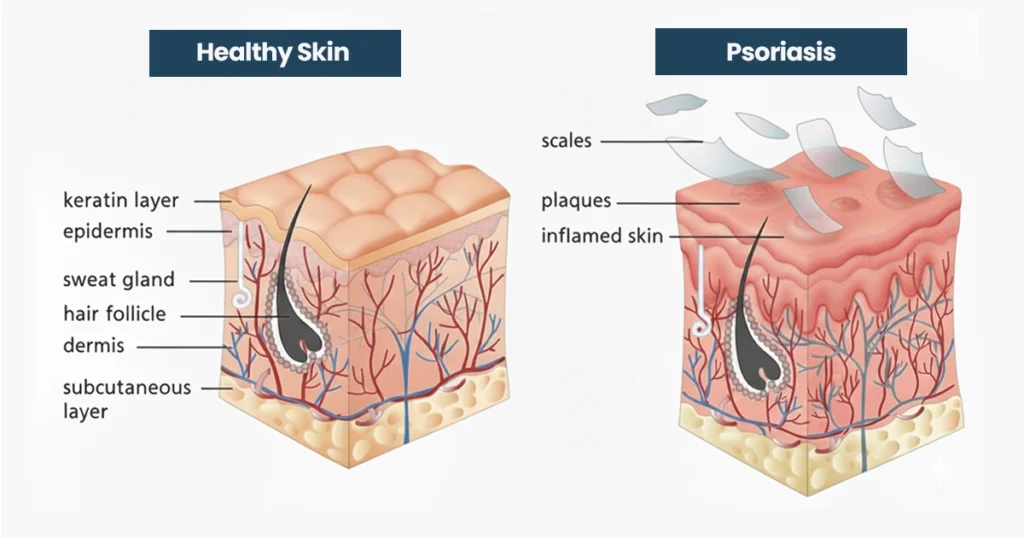
According to the AAD and National Psoriasis Foundation clinical guidelines, psoriasis is a chronic inflammatory (long-lasting) skin condition that causes the skin to grow faster than normal. This rapid growth leads to red, thick patches covered with silvery-white scales, which can be itchy, sore, or uncomfortable.
It is not contagious, and symptoms often come and go in cycles, with periods of flare-ups followed by times when the skin improves. Psoriasis affects approximately 3.2% of the U.S. population, making it a relatively common condition that can impact daily life and overall well-being. Additionally, around one in three people with psoriasis may develop psoriatic arthritis, a related condition that causes joint pain, stiffness, and swelling alongside skin symptoms.
Simply put, it’s your immune system making your skin overactive, leading to patches that are red, scaly, and sometimes painful.
How Is Psoriasis Diagnosed
Psoriasis is usually diagnosed by a doctor or dermatologist based on your skin appearance, medical history, and sometimes tests. Here’s how it’s done in simple terms:
Physical Examination
- The doctor looks at your skin, scalp, and nails for typical psoriasis signs like red patches, silvery scales, or pitting in nails.
Medical History
- They may ask about family history, as psoriasis can run in families.
- They’ll check for triggers, such as stress, infections, or medications.
Skin Biopsy
- In uncertain cases, a small skin sample may be taken and examined under a microscope.
- This helps confirm the diagnosis and rule out other skin conditions like eczema or fungal infections.
Usually, most psoriasis cases are diagnosed just by looking at the skin, and additional tests are only needed in tricky cases.
Treatment for Psoriasis
Psoriasis is a chronic skin condition that causes redness, scaling, and inflammation. While there is no permanent cure, effective psoriasis treatment can help control symptoms, reduce flare-ups, and improve quality of life. The treatment approach depends on the type and severity of psoriasis.
Topical Treatments (Applied to the Skin)
Topical treatments are usually the first step in managing psoriasis. They are applied directly to affected areas to reduce redness, inflammation, and scaling. These treatments are effective for mild to moderate psoriasis and can also be used alongside other therapies for more severe cases. They work by slowing down the rapid growth of skin cells, soothing irritation, and improving the overall appearance of the skin.
Topical treatments for different types of psoriasis include:
- Plaque Psoriasis Treatment: Corticosteroid creams, vitamin D analogs, and moisturizers.
- Scalp Psoriasis Topical Treatments / Scalp Psoriasis Treatment: Medicated shampoos, coal tar preparations, and corticosteroid lotions.
- Inverse Psoriasis Treatment: Gentle steroid creams applied to skin folds.
- Nail Psoriasis Treatment: Medicated nail lacquers or topical corticosteroids.
- Guttate Psoriasis Treatment (mild cases): Light corticosteroid creams or moisturizers.
Phototherapy (Light Therapy)
Phototherapy uses controlled exposure to ultraviolet (UV) light to slow down the overactive skin cell growth that causes psoriasis. It is usually administered in a clinic or with special home devices under medical supervision. Phototherapy is particularly helpful for patients who do not respond well to topical treatments and can improve symptoms without the side effects of long-term medication.
Phototherapy can be used for:
- Plaque psoriasis
- Guttate psoriasis
- Erythrodermic psoriasis
Systemic Medications (Oral or Injected)
Systemic medications work internally to regulate the immune system and reduce inflammation, making them effective for moderate to severe psoriasis or psoriatic arthritis. These treatments include oral medications, injections, or biologics. They are particularly helpful when psoriasis affects large areas of the body or when topical treatments alone are insufficient.
Systemic treatments for different conditions include:
- Guttate Psoriasis Treatment: Short-term oral medications or antibiotics if triggered by infection.
- Pustular Psoriasis Treatment: Oral retinoids, immunosuppressants, or biologics.
- Erythrodermic Psoriasis Treatment: Strong systemic medications and hospitalization if necessary.
- Psoriatic Arthritis Treatment / Treatment for Psoriatic Arthritis: Biologics or DMARDs to reduce joint inflammation and prevent damage.
Lifestyle and Supportive Measures
Lifestyle and self-care measures complement medical treatments and help reduce flare-ups. Regular moisturizing, avoiding triggers like stress, alcohol, and smoking, maintaining a healthy diet, and gentle skin care are all important. Stress management techniques and protecting the skin from injury can further help control psoriasis symptoms and improve overall quality of life.
Lifestyle measures help in managing:
- All types of psoriasis (plaque, guttate, inverse, pustular, erythrodermic, scalp, and nail psoriasis)
- Psoriatic arthritis symptoms
How to Cure Psoriasis Permanently
Currently, there is no known permanent cure for psoriasis. Psoriasis is a chronic autoimmune condition, which means the body’s immune system is overactive and causes the skin to grow too quickly. While treatments can control symptoms, reduce flare-ups, and improve quality of life, the underlying immune system imbalance cannot be completely “fixed” yet.
What You Can Do Instead
Even though psoriasis cannot be permanently cured, it can be managed effectively:
- Topical treatments: Corticosteroids, vitamin D creams, and moisturizers reduce redness and scaling.
- Phototherapy: UV light therapy slows skin cell growth.
- Systemic medications: Biologics, immunosuppressants, and DMARDs regulate the immune system for moderate to severe cases.
- Lifestyle changes: Stress management, a healthy diet, avoiding triggers (like infections or smoking), and regular moisturizing can prevent flare-ups.
Why a “Permanent Cure” Isn’t Available Yet
Psoriasis is linked to genetics and immune system dysfunction, which makes it difficult to eliminate completely. Even if symptoms disappear temporarily, flare-ups can occur at any time due to triggers such as stress, infections, or changes in medications.
The best approach is to work with a dermatologist to find a personalized long-term management plan. With modern treatments, many people can live flare-free for long periods and maintain healthy skin.
Your Psoriasis Medications, Delivered with Ease
Managing psoriasis is easier when you have timely access to your psoriasis treatment and other prescribed medications. With SwyftScripts, you can get your treatment for psoriasis delivered straight to your door, ensuring you never miss a dose and can stay consistent with your care plan. Our fast, reliable, and convenient delivery service makes it simple to manage flare-ups, maintain healthy skin, and follow your dermatologist’s recommendations without the hassle of frequent pharmacy visits.
Take control of your psoriasis today and enjoy the convenience of SwyftScripts for all your psoriasis medication needs.