
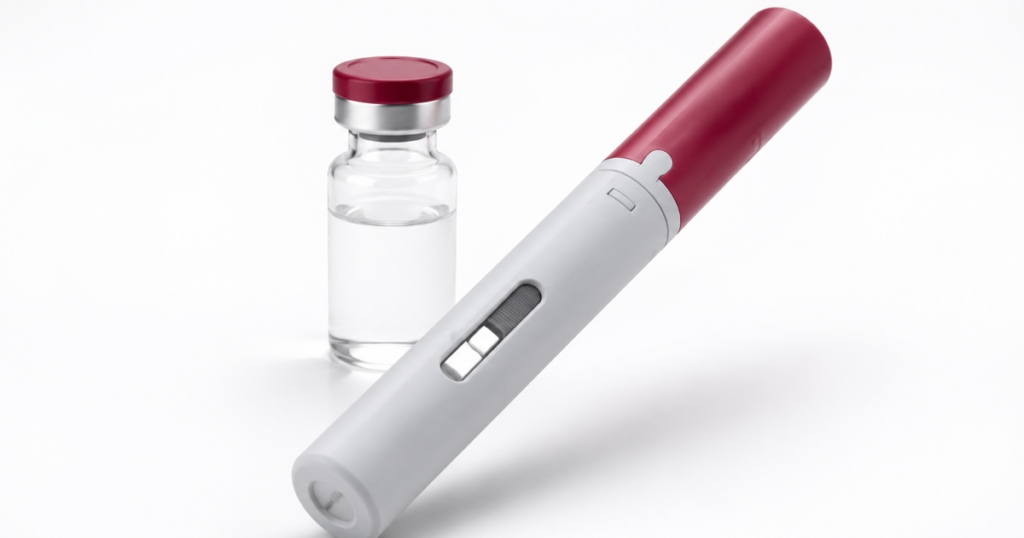
Humira is a prescription biologic medication designed to help manage inflammation caused by an overactive immune system. It belongs to a class of drugs known as TNF blockers and is commonly prescribed as part of long-term treatment plans for chronic inflammatory conditions.
Many people researching treatment options often ask, “What Is Humira Used For?” before starting therapy. Understanding how this medication works and why it is prescribed can help patients feel more informed about their care and ongoing disease management, often coordinated through a specialty pharmacy Houston that helps ensure timely access and proper medication support.
Humira Uses
Humira is widely prescribed to help control inflammation linked to autoimmune and chronic inflammatory conditions. By targeting specific immune responses, it may help reduce symptoms, prevent disease progression, and improve overall daily functioning for many patients receiving long-term treatment under medical supervision.
1. Rheumatoid Arthritis
Humira is commonly prescribed for rheumatoid arthritis, an autoimmune condition that causes joint pain, swelling, and stiffness. It may help reduce inflammation, improve joint movement, and slow damage that can affect long-term mobility and daily activities.
According to an NIH/PMC clinical study, about 53.4% of patients using Humira achieved significant symptom improvement (ACR20 response) compared to 19.1% in the placebo group after 24 weeks of treatment.
Also read: How Do You Treat Rheumatoid Arthritis?
2. Crohn’s Disease
Humira is used to help manage Crohn’s disease, a chronic inflammatory condition affecting the digestive tract. The medication may reduce intestinal inflammation, relieve abdominal discomfort, and help control symptoms such as diarrhea and fatigue.
Also read: How to Treat Crohn’s Disease
3. Ulcerative Colitis
People with ulcerative colitis may use Humira to help control inflammation in the colon and reduce flare-ups. It may assist in improving symptoms like abdominal pain, rectal bleeding, and frequent bowel movements while supporting long-term disease management.
Also read: How to Treat Ulcerative Colitis
4. Plaque Psoriasis
Humira is prescribed for moderate to severe plaque psoriasis, a condition that causes red, scaly, and itchy skin patches. It may help calm immune-related skin inflammation, improve skin appearance, and reduce irritation associated with psoriasis flare-ups.
5. Psoriatic Arthritis
Humira may help treat psoriatic arthritis, which affects both the skin and joints. It can reduce joint swelling, stiffness, and pain while also helping manage psoriasis-related skin symptoms and preventing progressive joint damage.
6. Ankylosing Spondylitis
Patients with ankylosing spondylitis may use Humira to help reduce spinal inflammation and chronic back pain. The medication may improve flexibility, mobility, and posture while helping manage stiffness that commonly worsens over time.
Also read: How Is Ankylosing Spondylitis Treated?
7. Hidradenitis Suppurativa
Humira is also approved for hidradenitis suppurativa, a painful skin condition that causes lumps and abscesses under the skin. It may help reduce inflammation, decrease flare-ups, and support healing in affected areas such as the armpits and groin.
8. Uveitis
Humira is used for certain types of non-infectious uveitis, an inflammatory eye condition that can affect vision. It may help control eye inflammation, reduce discomfort, and lower the risk of long-term complications related to eye damage.
What May Interact With Humira?
Humira may interact with certain medications and conditions that affect the immune system. These interactions can increase the risk of infections or reduce treatment effectiveness, so patients should always inform their doctor about all medicines they are taking.
- Other biologic drugs (TNF inhibitors): May increase infection risk when used together.
- Live vaccines: Should generally be avoided during treatment.
- Methotrexate and other immunosuppressants: Can raise infection risk when combined.
- Corticosteroids (steroids): May further weaken the immune system.
- Other immune-suppressing medications: Increase the chance of serious infections.
- Cancer treatments: Some therapies may not be safe with Humira.
- Latent infections (TB, hepatitis B): May reactivate or worsen if present.
How is Humira Managed?
Humira treatment is managed through regular monitoring, proper dosing, and ongoing communication with a healthcare provider. It is usually given as a subcutaneous injection on a scheduled basis, and patients are closely observed to ensure the medication is working safely and effectively.
- Regular dosing schedule: Taken as injections every 1–2 weeks, depending on the condition.
- Doctor supervision: Treatment is monitored to adjust dosage or frequency if needed.
- Routine blood tests: Used to check for infections and monitor overall health.
- Infection screening: Patients are tested for TB and hepatitis before and during treatment.
- Side effect monitoring: Any unusual symptoms are reported and evaluated promptly.
- Combination therapy: May be used with other medications like methotrexate for better results.
- Ongoing assessment: Doctors regularly review disease progress and treatment response.
Humira Side Effects
Humira may cause side effects in some patients, ranging from mild to more serious reactions. Since it affects the immune system, careful monitoring is important, and any unusual symptoms should be reported to a healthcare provider promptly.
- Injection site reactions: Redness, swelling, itching, or mild pain where the injection is given.
- Headache: Mild to moderate headaches may occur in some patients.
- Upper respiratory infections: Such as sinus infections, runny nose, or sore throat.
- Nausea: Some people may feel mild stomach discomfort or nausea.
- Rash: Skin reactions or mild allergic responses may develop.
- Serious infections: Increased risk of infections like tuberculosis or fungal infections.
- Blood disorders (rare): Low blood counts may lead to fatigue or easy bruising.
- Nervous system effects (rare): Tingling, vision changes, or weakness should be reported immediately.
How Specialty Pharmacies Support Humira Treatment
Specialty pharmacies play an important role in ensuring patients receive Humira safely and correctly as part of their treatment plan, including pharmacy delivery Houston services that help patients access medications quickly and reliably.
- Prescription management: Coordinate directly with healthcare providers to process and refill Humira prescriptions.
- Proper handling & storage: Ensure the medication is stored and delivered under required temperature conditions.
- Patient education: Provide instructions on correct injection techniques and usage guidance.
- Insurance support: Assist with prior authorizations and coverage-related issues.
- Refill reminders: Help patients stay consistent with their dosing schedule.
- Side effect support: Offer guidance on managing mild side effects and when to contact a doctor.
- Ongoing monitoring support: Work with healthcare teams to support safe long-term treatment use.
Importance of Humira Medication Consistency
Taking Humira consistently is essential for maintaining steady control of inflammation and achieving the best possible treatment outcomes. Skipping doses or irregular use may reduce its effectiveness and increase the risk of symptom flare-ups or disease progression.
- Improves treatment effectiveness: Regular use helps maintain stable levels of the medication in the body.
- Reduces flare-ups: Consistency helps prevent sudden worsening of symptoms.
- Supports long-term control: Helps manage chronic conditions more effectively over time.
- Prevents disease progression: Continuous use may slow ongoing joint or tissue damage.
- Enhances overall outcomes: Improves daily functioning and quality of life.
- Supports immune regulation: Helps maintain balanced control of inflammation.
Specialty Pharmacy Support for Humira Treatment
Humira is a long-term specialty medication that requires proper handling, storage, and consistent access to ensure effective treatment outcomes. Patients using Humira often need ongoing support to stay on schedule and manage their therapy safely.
SwyftScripts helps support patients taking Humira by ensuring timely medication delivery, proper storage, and coordination with healthcare providers. This support helps patients stay consistent with treatment and manage chronic inflammatory conditions more effectively.
Key Takeaway
- Humira is a biologic medication used to treat chronic inflammatory conditions.
- It works by reducing overactive immune system activity.
- Common uses include rheumatoid arthritis, Crohn’s disease, and psoriasis.
- It helps control symptoms and prevent disease progression.
- Regular use is important for best treatment outcomes.
- Specialty pharmacies help ensure safe access and proper medication management.
Frequently Asked Questions
Does Humira cause weight gain?
Humira is not commonly associated with weight gain. However, changes in symptoms, appetite, or overall health from improved disease control may affect body weight in some patients.
How long does Humira take to work?
Humira may start showing improvement within a few weeks, but full benefits can take several weeks to a few months, depending on the condition and individual response.
Is Humira a biologic?
Yes, Humira is a biologic medication. It is a TNF blocker that works by targeting specific parts of the immune system to reduce inflammation.