
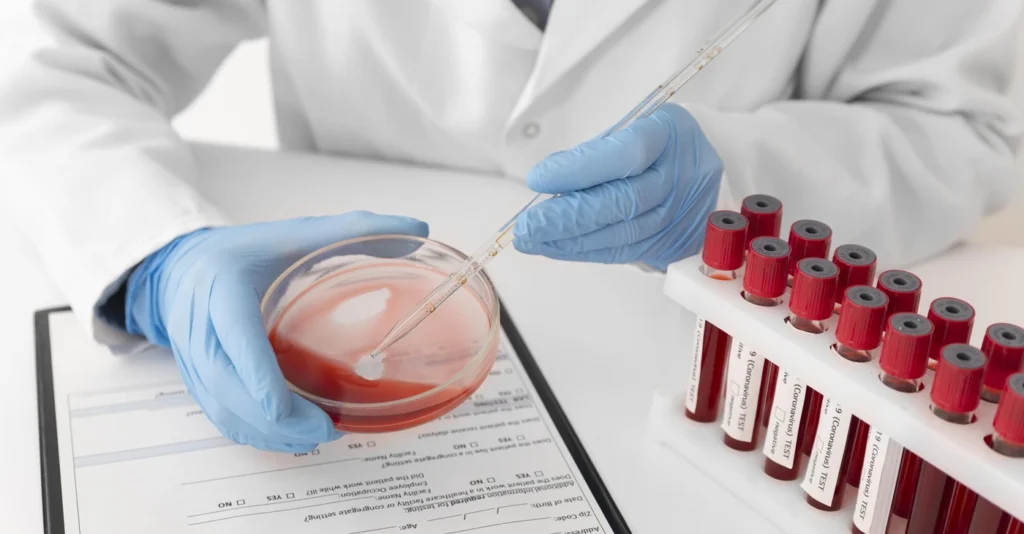
Sickle cell anemia is an inherited blood disorder that affects the shape and function of red blood cells. Instead of being round and flexible, the red blood cells become rigid and crescent-shaped, making it harder for them to move through blood vessels and deliver oxygen throughout the body.
These abnormal cells can block blood flow, causing pain, anemia, infections, and organ damage. While there is no universal cure for sickle cell anemia, early treatment and support from a trusted specialty pharmacy near me can help manage symptoms, improve medication access, and reduce complications. SwyftScripts also delivers sickle cell anemia medications right to patients’ doors in Sugar Land, Sunnyside, Southeast Houston, and Tallahassee.
What Is Sickle Cell Anemia?
Sickle cell anemia is the most common type of sickle cell disease, an inherited blood disorder that affects hemoglobin, the protein that carries oxygen in red blood cells. It causes red blood cells to become stiff, sickle-shaped, and break down more quickly than normal, leading to chronic anemia. These abnormal cells can also block blood flow, causing pain, reduced oxygen delivery, and serious complications if left untreated.
Medications for Sickle Cell Anemia
Medications for sickle cell anemia help reduce pain crises, prevent complications, improve red blood cell function, and support long-term health. Your treatment plan depends on your age, symptoms, and the severity of the disease. Patients prescribed specialty medications may also benefit from specialty pharmacy services that provide medication access, insurance support, and ongoing treatment management.
Hydroxyurea
Hydroxyurea is a commonly prescribed medication that increases fetal hemoglobin (HbF), helping reduce red blood cell sickling and lower the risk of pain crises and other complications. Regular blood tests and follow-up appointments are needed to monitor its safety and effectiveness.
Specialty Medications
Specialty medications may be recommended for people with frequent pain crises or more severe sickle cell disease. Depending on your treatment plan, these therapies may include Adakveo® (crizanlizumab) and Endari® (L-glutamine) to help reduce complications. A specialty pharmacy can assist with prior authorizations, refill coordination, medication education, and ongoing pharmacist support throughout treatment.
Pain Relief and Preventive Medications
Pain relievers, antibiotics, and other preventive medications are often used to manage symptoms and reduce the risk of infections and other complications. Your healthcare provider will recommend the most appropriate medications based on your individual needs and overall treatment plan.
Sickle Cell Anemia Symptoms
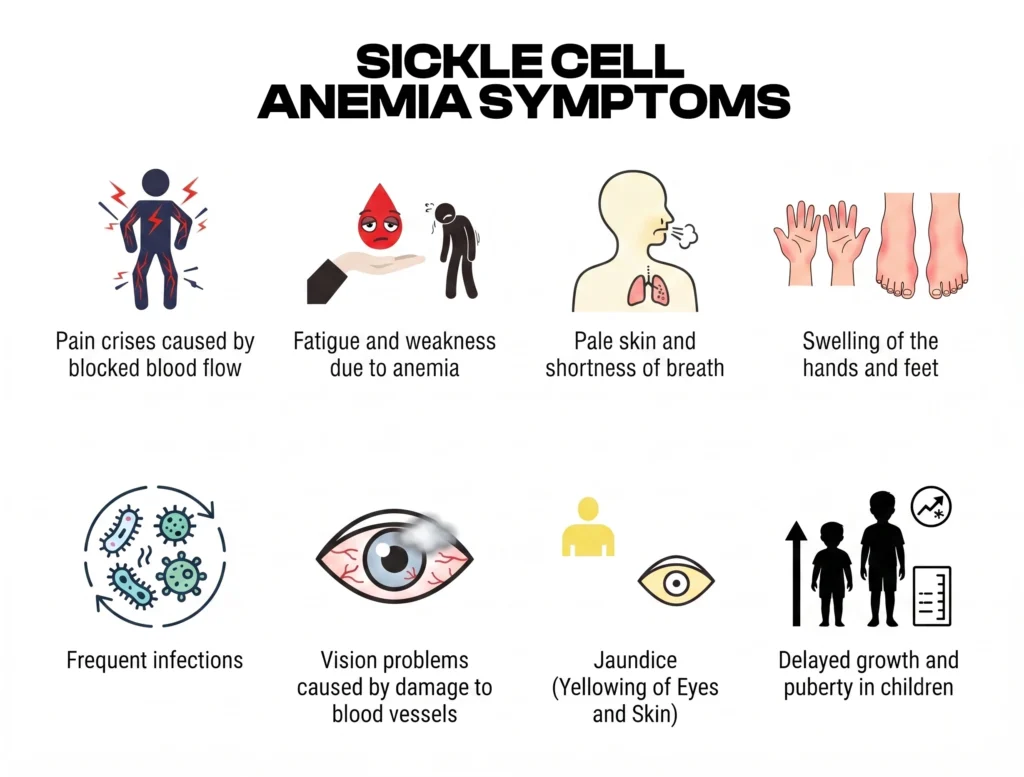
Symptoms of sickle cell anemia vary from person to person and often begin during early childhood. Some individuals experience mild symptoms, while others develop frequent complications that require ongoing medical care. Common symptoms include:
- Pain crises caused by blocked blood flow
- Fatigue and weakness due to anemia
- Pale skin and shortness of breath
- Swelling of the hands and feet
- Frequent infections
- Vision problems caused by damage to blood vessels in the eyes
- Delayed growth and puberty in children
Pain crises, also called vaso-occlusive crises, are one of the most common symptoms of sickle cell anemia. These episodes can last from several hours to several days and may require hospital treatment depending on their severity.
What Causes Sickle Cell Anemia?
Sickle cell anemia is caused by a genetic mutation in the HBB gene, which provides instructions for making hemoglobin. The condition is inherited in an autosomal recessive pattern. This means a child must inherit one abnormal hemoglobin gene from each parent to develop sickle cell anemia.
If a person inherits only one abnormal gene, they have the sickle cell trait rather than sickle cell disease. People with the sickle cell trait usually do not experience symptoms but can pass the gene to their children. Genetic counseling can help families understand inheritance patterns and assess the likelihood of passing the condition to future generations.
How Is Sickle Cell Anemia Diagnosed?
Early diagnosis of sickle cell anemia helps begin treatment before serious complications develop. Newborn screening allows early detection and timely care planning. Doctors may also use laboratory tests later in life to confirm the diagnosis and assess blood health.
Blood Tests
Blood tests are the primary tools used to diagnose sickle cell anemia and monitor disease progression. Common tests include:
- Hemoglobin testing to identify abnormal forms of hemoglobin
- Complete blood count (CBC) to evaluate red blood cells and detect anemia
- Hemoglobin electrophoresis, which confirms the presence of hemoglobin S and distinguishes sickle cell disease from other blood disorders
These tests also help healthcare providers monitor treatment effectiveness and identify possible complications.
Newborn Screening
Newborn screening allows doctors to diagnose sickle cell anemia before symptoms appear. Early diagnosis enables healthcare providers to begin preventive care, monitor the child’s health closely, reduce the risk of serious infections, and educate parents about managing the condition from infancy.
Genetic Testing
Genetic testing identifies mutations in the genes responsible for sickle cell disease. It may be recommended for confirming uncertain diagnoses, carrier screening, family planning, or prenatal testing when there is a family history of sickle cell disease.
Sickle Cell Anemia Treatment
Treatment for sickle cell anemia focuses on managing symptoms, preventing complications, improving blood flow, and supporting a better quality of life. Care plans are personalized based on a patient’s age, symptoms, overall health, and medical history. Some patients may need supportive care, while others require medications, blood transfusions, or advanced therapies with regular medical monitoring. Key aspects of sickle cell anemia treatment include:
- Symptom management: Reducing pain episodes and managing other symptoms caused by sickled red blood cells.
- Preventing complications: Lowering the risk of infections, organ damage, and other disease-related problems.
- Medication therapy: Using medicines to improve blood health and reduce the frequency of complications.
- Blood transfusions: Providing healthy red blood cells when needed to improve oxygen delivery.
- Advanced therapies: Considering specialized treatments for patients with more severe disease.
- Regular follow-up care: Monitoring the condition and adjusting treatment as health needs change.
Managing Sickle Cell Anemia Pain
Pain crises are one of the most common and challenging complications of sickle cell anemia. They occur when sickle-shaped red blood cells block blood flow, reducing oxygen delivery to tissues and causing sudden episodes of severe pain. Although pain crises cannot always be prevented, certain lifestyle habits may help reduce common triggers. Helpful strategies include:
- Staying well hydrated throughout the day
- Managing stress whenever possible
- Avoiding extreme hot or cold temperatures
- Following prescribed treatment plans
- Seeking medical care promptly when severe pain develops
Treatment during a pain crisis depends on its severity. Mild episodes may improve with rest, hydration, and pain medication, while severe crises often require hospital care, intravenous fluids, and stronger pain management.
Long-Term Management of Sickle Cell Anemia
Living with sickle cell anemia requires lifelong care, but many people successfully manage the condition with the right treatment plan and ongoing medical support. Regular checkups allow healthcare providers to monitor overall health, adjust medications, and identify complications early. Patients should also report any new symptoms, frequent pain crises, or signs of infection as soon as possible.
Successful long-term management includes taking medications as prescribed, staying hydrated, eating a balanced diet, remaining physically active within personal limits, and getting adequate rest. For patients prescribed specialty medications, having access to reliable pharmacy support can simplify treatment.
Specialty Pharmacy Support for Sickle Cell Treatment
Some treatments for sickle cell anemia involve specialty medications that require careful monitoring, ongoing education, and consistent follow-up. Managing these therapies can be challenging, especially for patients taking multiple medications or coordinating care with different healthcare providers. A specialty pharmacy can help simplify treatment by improving medication access and providing ongoing support throughout the therapy journey. Specialty pharmacy services may include:
- Prescription coordination to help ensure medications are processed accurately and delivered on time through a reliable prescription delivery service.
- Medication education to help patients understand their therapy, proper use, and possible side effects.
- Refill reminders to reduce missed doses and support consistent treatment.
- Insurance and prior authorization assistance to help navigate coverage requirements and reduce treatment delays.
- Ongoing medication adherence support through pharmacist guidance and personalized follow-up.
Taking the Next Step in Sickle Cell Care
Sickle cell anemia is a lifelong condition, but early diagnosis, appropriate treatment, and consistent medical care can help reduce complications and improve quality of life. Medications, blood transfusions, healthy lifestyle habits, and regular monitoring all play an important role in long-term disease management.
For patients taking specialty medications, SwyftScripts provides specialty pharmacy support designed to simplify treatment management. Through prescription coordination, medication education, refill support, insurance assistance, and convenient delivery options, SwyftScripts helps patients stay connected to the care they need and manage their treatment with greater confidence.